
Why Do You Need a Visa to Travel: Everything You Should Know
Traveling abroad is like cracking open a treasure chest full of new cultures, landscapes, and adventures. But before you start stuffing your suitcase—or sneaking in enough snacks to survive a zombie apocalypse—there’s one little detail that can make or break your journey: the visa. Depending on your nationality and destination, you may need a visa to board your flight or enter the country. Without it—when required—you could be denied entry. Let alone post that dramatic “bon voyage” selfie.
- What is a Visa?
- Why Do You Need a Visa to Travel?
- Do All Countries Require Visas?
- Benefits of Having a Visa Before Traveling
- Exceptions: When You Don’t Need a Visa
- Risks of Traveling Without a Visa (When Required)
- How to Check if You Need a Visa
- Practical Tips for a Smooth Visa Application
- FAQs About Why You Need a Visa to Travel
- Do I still need a visa if I’m just transiting through a country?
- How far in advance should I apply for a visa?
- Is an eVisa different from a visa on arrival?
- What happens if I overstay my visa?
- Do children need their own visas?
- Can a visa guarantee entry into a country?
- What documents should I keep ready for a visa application?
- Is it cheaper to get a visa online or at the airport?
- Final Thoughts
So, why do you actually need a visa to travel? Think of it as a golden ticket—except instead of Willy Wonka’s chocolate factory, it gets you into another country. (And sadly, there’s no free candy on arrival, unless you count the airline’s complimentary peanuts.) Visas are all about international security, immigration laws, and how countries politely manage who gets to cross their borders.
In this article, we’ll unpack what a visa really is, why it’s necessary, and what happens if you try to travel without one (spoiler: it’s about as fun as being stuck in an airport overnight with dead Wi-Fi). We’ll also cover the lucky loopholes—like visa-free agreements—and share practical tips to make sure your trip stays smooth, stress-free, and selfie-approved.
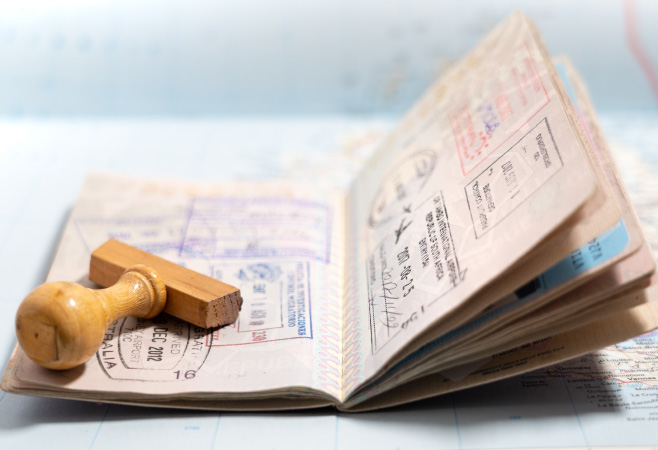 Passport pages filled with colorful visa stamps for international travel.
What is a Visa?
A visa is basically your all-access pass (okay, more like “access with conditions”) to another country. It’s that official document or shiny digital approval—like an eVisa—that says, “Sure, come on in, but don’t get too comfy.” Sometimes it’s stamped right into your passport, other times it just chills in your inbox, waiting to be flashed at the airport like a VIP wristband.
Think of it this way: your passport is your global ID badge—it tells everyone where you’re from. But your visa? That’s the actual party invitation. Without it, you’re the person awkwardly standing outside, trying to convince the bouncer (aka border control) that you really belong inside. Spoiler: “But I packed snacks!” won’t cut it.
And since no two trips are the same, there are different types of visas depending on your mission: business, vacation, study, or even the noble quest of “I came all this way just because the food looked too good on Instagram.”
- Tourist visa – for leisure and short-term visits.
- Business visa – for attending meetings, conferences, or trade activities.
- Student visa – for studying abroad.
- Work visa – for those employed in another country.
- Transit visa – for passing through a country en route to another destination.
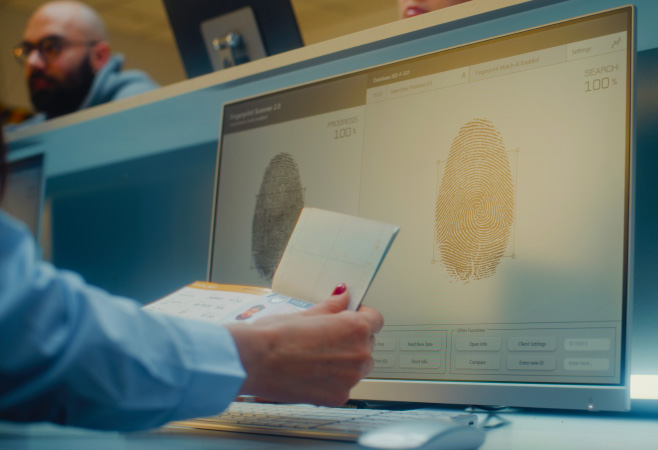 Travelers showing passports and visas at an airport immigration checkpoint.
Why Do You Need a Visa to Travel?
The simple answer: countries use visas to control entry, protect borders, and double-check what you’re really up to (because apparently “I just want to eat all your street food” isn’t enough). Let’s break it down:
1. Border Security and Immigration Control
One of the main reasons visas exist is security. Governments use them to screen travelers before they even step off the plane. It helps prevent illegal immigration, reduce criminal risks, and regulate who’s allowed in. Think of it like airport security but with more paperwork and fewer awkward pat-downs.
2. Legal Authorization to Stay
A visa is your official permission slip—it tells you how long you can stay and what you can (and cannot) do. A tourist visa might let you explore for 30 or 90 days, while a student visa could last years. Overstay your welcome, though, and you might face fines, deportation, or even a “sorry, not welcome back” stamp. Basically, it’s like being grounded, but on an international scale.
3. Verification of Purpose of Travel
Visas help authorities figure out why you’re visiting. Are you here to see the sights, study hard, or clock in for work? Without a visa system, people could just show up and say, “Oh, I’m definitely a tourist” while casually carrying a briefcase full of résumés. Not very convincing.
4. Economic and Administrative Reasons
Visa fees don’t just disappear into thin air—they often contribute to government revenue. Plus, they help manage tourism and job markets. Some countries limit work visas to protect local jobs while happily handing out tourist visas to boost the economy. In short: “We’d love for you to spend money here, just not take someone’s job while you’re at it.”
Do All Countries Require Visas?
Not always. Depending on your passport, you may enjoy visa-free travel to dozens of destinations. For example, European Union citizens can travel freely within the Schengen Area, while agreements between certain countries allow tourists to skip visa applications.
Additionally, many nations offer:
- Visa on arrival – where you apply and pay at the airport or border.
- Electronic visas (eVisas) – quick, online applications processed before you fly.
For instance, Turkey offers a Turkey eVisa for citizens of many countries. Travelers can apply online within minutes and receive approval by email, avoiding long queues at embassies.
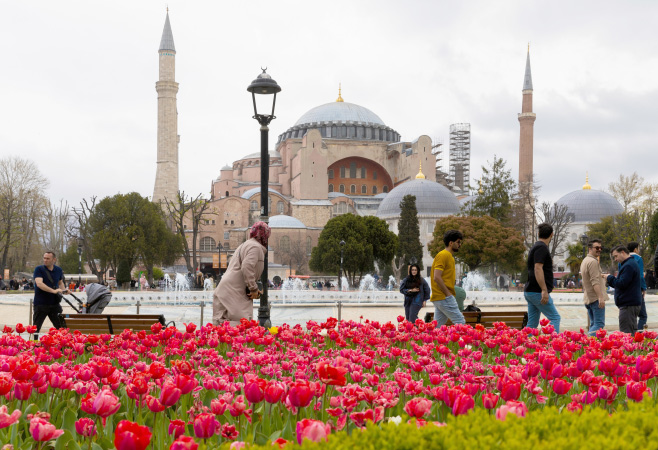 Tourist walking near the Hagia Sophia in Istanbul
Benefits of Having a Visa Before Traveling
- Peace of mind – You won’t face stress at the border.
- Proof of legal stay – Hotels, rental agencies, and authorities may ask for proof.
- Access to services – Some countries require valid visas for healthcare, banking, or education.
- Clear travel planning – Knowing your visa duration helps you avoid overstaying.
When planning a trip to Turkey, securing a Turkey eVisa ensures that your entry is authorized and stress-free.
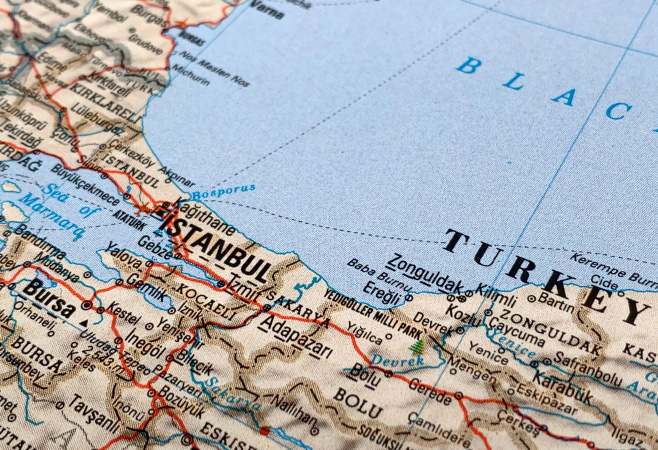 World map showing a trip to Turkey
Exceptions: When You Don’t Need a Visa
There are cases where you don’t need a visa to travel:
- Visa-free agreements – Countries with bilateral or regional treaties.
- Transit without entry – If you stay in the international airport zone.
- Cruise exemptions – Some countries allow short visa-free visits if you arrive on a cruise ship and stay less than 72 hours.
However, these exceptions vary by nationality. Always check the rules before departure.
Risks of Traveling Without a Visa (When Required)
Traveling without the correct visa can have serious consequences:
- Denied boarding – Airlines may not let you fly if you lack the required visa.
- Deportation upon arrival – Immigration officers can refuse your entry.
- Financial loss – Losing money on tickets, hotels, and tours.
- Travel bans – Future restrictions on re-entry to that country.
That’s why the best answer to why do you need a visa to travel is simple: to avoid unnecessary trouble and ensure smooth entry.
How to Check if You Need a Visa
Before booking your trip, always confirm whether your destination requires a visa. You can:
- Visit the official government or embassy website.
- Use online eligibility tools, such as Turkey’s eVisa portal.
- Consult immigration or visa services for professional guidance.
For example, Turkey offers a convenient eVisa system for many nationalities. Other countries may have different online or embassy-based procedures. You fill in an online form, make the payment, and receive your visa by email – often within 24 hours.
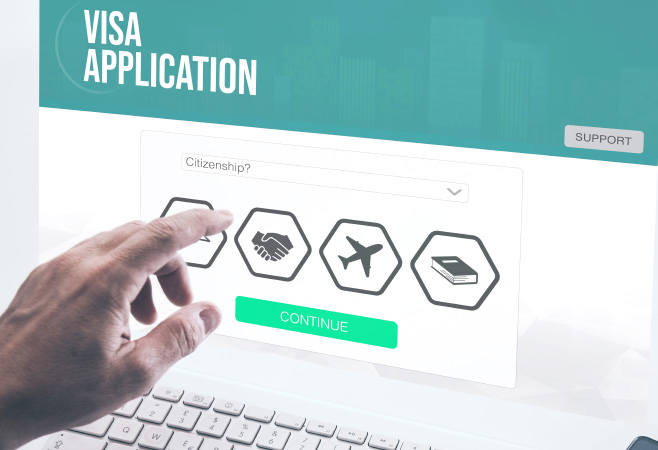 Online Turkey eVisa application form
Practical Tips for a Smooth Visa Application
- Apply early – Some visas take weeks or months to process.
- Check passport validity – Most countries require at least 6 months of validity.
- Keep supporting documents – Flight tickets, hotel bookings, or invitation letters.
- Be accurate – Errors in your application may cause rejection.
- Consider travel insurance – Some visas require proof of coverage.
For Turkey, travelers can choose between normal, urgent, or super urgent eVisa processing, depending on how quickly they need approval.
FAQs About Why You Need a Visa to Travel
Do I still need a visa if I’m just transiting through a country?
Sometimes yes, sometimes no. Some countries let you stay in the international zone without a visa, but if you plan to step outside for a “quick coffee” or sightseeing, you might need a transit visa. (And no, airport coffee doesn’t count as “culture.”)
How far in advance should I apply for a visa?
Apply as early as possible—weeks or even months ahead—especially for countries with slower processes. Think of it like baking bread: start early, or you’ll end up with a flat loaf (or worse, no trip!).
Is an eVisa different from a visa on arrival?
Yes! An eVisa is applied for online and approved before you travel—like having your party invitation confirmed ahead of time. A visa on arrival is more like showing up at the door and hoping the bouncer likes you. One is calmer, one is riskier.
What happens if I overstay my visa?
Overstaying can lead to fines, deportation, or travel bans—basically the world’s worst “souvenir.” Always check your permitted stay and set a reminder, because border control doesn’t accept “I lost track of time eating baklava” as an excuse.
Do children need their own visas?
Yes, most countries require a separate visa for every traveler—even the tiny humans. So don’t forget to apply for your kids, or your “family vacation” might become a “solo adventure.”
Can a visa guarantee entry into a country?
Not always. A visa is permission to travel to a port of entry, but border officers still have the final say. Think of it as a golden ticket to the party, but security can still stop you if you’re carrying something suspicious (like that suitcase full of “snacks”).
What documents should I keep ready for a visa application?
Usually your passport, flight tickets, hotel bookings, travel insurance, and a photo. Basically, everything that proves you’re a polite tourist and not planning to “accidentally” move in forever.
Is it cheaper to get a visa online or at the airport?
Usually online. Visa-on-arrival counters can have higher fees (and longer lines). Applying online from your couch in pajamas is not only cheaper but also saves you from making travel-day decisions with airplane hair.
Final Thoughts
So, why do you need a visa? Simple—it’s your golden permission slip to waltz into another country without looking like you’re crashing the world’s fanciest party. Without it, border officers (a.k.a. the least amused bouncers on Earth) won’t let you in.
A visa keeps you on the right side
Related Articles
- Cappadocia Itinerary: The Perfect 1, 2, 3 & 4-Day Travel Plan
- Things to Do in Cappadocia: 20 Best Attractions & Activities
- Cappadocia Travel Guide (2026): Ultimate First-Time Visitor Guide
- Best Neighborhoods to Stay in Istanbul: A Complete Guide for First-Time Visitors
- Free Things to Do in Istanbul: 14 Amazing Experiences Without Spending a Lira
- Turkey Backpacking Itinerary: The Ultimate Budget Travel Route for Adventure Travelers
- Turkey Family Vacation Itinerary: The Perfect 7–10 Day Trip for Parents and Kids
- Turkey Honeymoon Itinerary: The Perfect Romantic 9-Day Escape for Couples
- Izmir, Turkey Itinerary: Best 3–5 Day Travel Guide to Turkey’s Coastal Gem

HOW CAN WE HELP?
NEED HELP 24/7
 United States
+1 949 346 9868
United States
+1 949 346 9868
 United Kingdom
+44 0330 822 7696
United Kingdom
+44 0330 822 7696
 Singapore
+65 6485 3630
Singapore
+65 6485 3630
 Viber
+65 8174 8526
Viber
+65 8174 8526


