
Galata Walls – History, Location, and Visitor Guide
Walking through Istanbul can sometimes feel like stepping into a living museum, and the Galata Walls are a perfect example of that. Tucked between modern streets, cafés, and apartment buildings, these ancient fortifications quietly remind visitors that Galata was once a heavily defended medieval district.
- What Are the Galata Walls?
- History of the Galata Walls
- Where Are the Galata Walls Located?
- Remaining Sections of the Galata Walls Today
- How to Visit the Galata Walls
- Best Time to Visit the Galata Walls
- Galata Walls and Galata Tower Connection
- Interesting Facts About the Galata Walls
- Nearby Attractions Around the Galata Walls
- Travel Tips for Exploring the Galata Walls
- Travel Preparation Tips Before Visiting Galata
- Final Thoughts on the Galata Walls
If you’re curious about history, architecture, or just enjoy discovering hidden corners of a city, the Galata Walls deserve a spot on your itinerary.
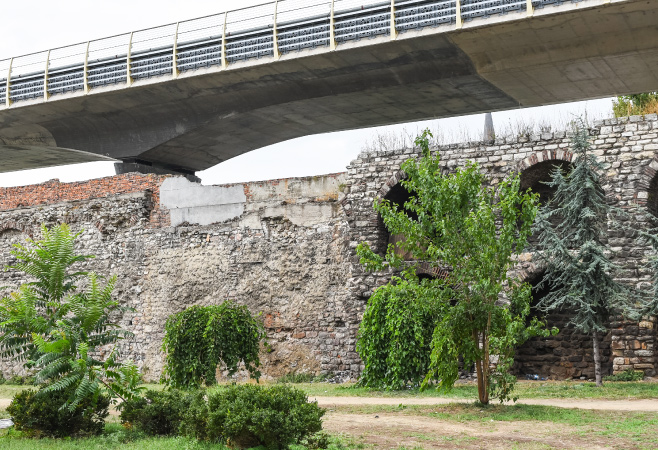 Galata Walls Remains in Istanbul
What Are the Galata Walls?
The Galata Walls were a defensive system built to protect the Galata district, which was once a separate settlement from Constantinople. During the medieval period, Galata was controlled by the Genoese, who constructed strong stone walls, towers, and gates to safeguard their thriving trade colony.
Unlike Istanbul’s more famous city walls, the Galata Walls are scattered and partially hidden today. But that’s part of their charm—you don’t just visit them, you discover them.
 Historical Map of Galata Walls
History of the Galata Walls
Origins of the Galata Walls
The story of the Galata Walls begins in the 13th and 14th centuries, when the Genoese established Galata as a fortified trading hub. Located across the Golden Horn from Constantinople, Galata needed protection from both land and sea threats.
The walls were built using thick stone, reinforced towers, and strategically placed gates. Their main purpose was simple: keep enemies out and commerce flowing in.
Expansion and Fortifications Over Time
As Galata grew richer and more populated, the Galata Walls expanded. Additional towers and gates were added, creating a layered defensive system. Galata Tower itself played a crucial role, serving as both a watchtower and a symbol of Genoese power.
Over centuries, wars, earthquakes, and urban development reduced the walls, but their historical footprint still shapes the neighborhood today.
Where Are the Galata Walls Located?
The remains of the Galata Walls are spread across modern-day Beyoğlu, Galata, and Karaköy. You won’t find one continuous wall; instead, you’ll encounter fragments tucked behind buildings, along narrow streets, or near busy roads.
Some sections are close to Galata Tower, while others appear unexpectedly as you explore the area on foot. Exploring the area on foot is part of the experience, though a walking map can help you locate surviving sections more easily.
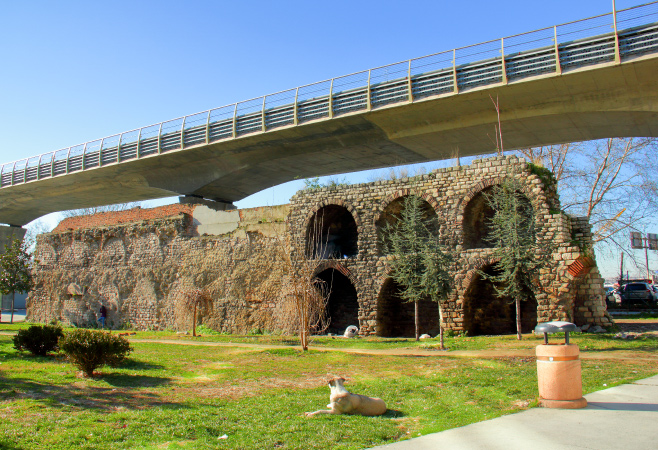 Preserved Section of Galata Walls
Remaining Sections of the Galata Walls Today
While much of the original structure is gone, several fragments of the Galata Walls still survive. These include:
Stone wall sections embedded into modern buildings
Remains of old gates and towers
Archaeological fragments preserved in public spaces
Urban development claimed many parts of the walls, but the surviving sections offer a fascinating glimpse into medieval Galata. Blink and you might miss them—so keep your eyes open.
How to Visit the Galata Walls
Visiting the Galata Walls doesn’t require tickets or guided tours. They are open-air historical remains, freely accessible to the public.
The best way to explore is on foot:
Start near Galata Tower
Wander through side streets and slopes
Combine wall hunting with café stops
Wear comfortable shoes, as the streets around Galata are steep and best explored on foot.
Before planning your walk, make sure your travel documents are sorted. Applying for a Turkey eVisa online is quick and saves you from airport stress, leaving more energy for exploration.
Best Time to Visit the Galata Walls
The Galata Walls can be visited year-round, but timing matters for comfort and atmosphere.
Spring and autumn: Ideal weather for walking
Summer: Lively but hot—bring water
Winter: Fewer crowds, moody historic vibes
Early morning or late afternoon offers softer light, perfect for photography. Plus, fewer people means fewer accidental photobombers.
Galata Walls and Galata Tower Connection
The Galata Walls and Galata Tower were once part of the same defensive system. Galata Tower functioned as a lookout point, offering panoramic views to spot approaching threats.
From the tower, guards could monitor the walls, gates, and surrounding waters. Today, this connection helps visitors understand how strategically important Galata once was—not just scenic, but serious about security.
Interesting Facts About the Galata Walls
Here are a few fun facts about the Galata Walls that make them even more intriguing:
In some parts of Galata, traces of the old fortifications appear integrated into later buildings
Some gates were historically linked to commercial activity in the Genoese trading district
Parts of the walls were dismantled to widen roads
Locals walk past them daily, often without noticing
History tip: if a wall looks oddly old compared to the building around it, you’re probably onto something.
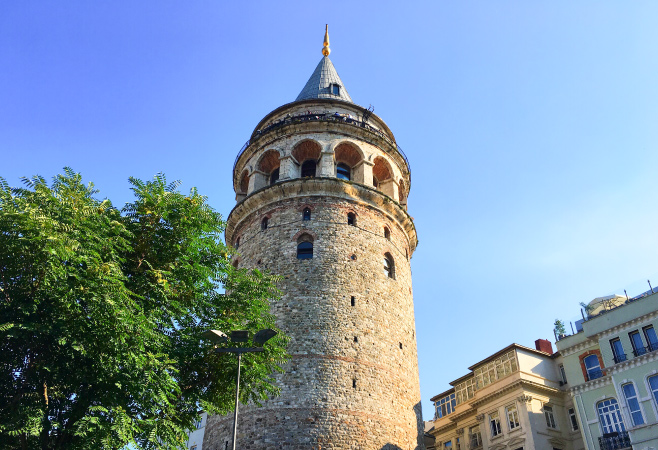 Galata Tower and Wall Connection
Nearby Attractions Around the Galata Walls
Exploring the Galata Walls pairs perfectly with nearby attractions:
Galata Tower: For panoramic city views
Galata Bridge: A short walk away
Istiklal Street: Shopping, food, and nightlife
Karaköy cafés: Perfect for a break
This area is compact but packed with history, making it ideal for a half-day exploration.
Travel Tips for Exploring the Galata Walls
To make the most of your visit to the Galata Walls, keep these tips in mind:
Wear comfortable walking shoes
Explore slowly—details are easy to miss
Respect private property near wall fragments
Don’t climb on ruins (history prefers dignity)
And before you arrive in Istanbul, don’t forget to apply for your Turkey eVisa. It’s a simple online process that ensures a smooth entry into the country.
Travel Preparation Tips Before Visiting Galata
Whether you’re visiting the Galata Walls or other historic sites, international travelers should ensure they meet Turkey’s entry requirements. Most visitors need a valid Turkey eVisa, which can be applied for online before departure.
Handling this early lets you focus on discovering Istanbul’s layers of history instead of worrying about paperwork. Travel smart, plan ahead, and let the city do the rest.
Final Thoughts on the Galata Walls
The Galata Walls may not be as famous as other landmarks, but they offer a deeper, quieter connection to Istanbul’s past. They reward curious travelers who enjoy wandering off the main path and discovering history woven into everyday life.
Apply for your Turkey eVisa in advance, put on your walking shoes, and explore Galata with fresh eyes—you might just stumble upon a wall that’s been waiting centuries for you to notice it.
Related Articles
- Cappadocia Itinerary: The Perfect 1, 2, 3 & 4-Day Travel Plan
- Things to Do in Cappadocia: 20 Best Attractions & Activities
- Cappadocia Travel Guide (2026): Ultimate First-Time Visitor Guide
- Best Neighborhoods to Stay in Istanbul: A Complete Guide for First-Time Visitors
- Free Things to Do in Istanbul: 14 Amazing Experiences Without Spending a Lira
- Turkey Backpacking Itinerary: The Ultimate Budget Travel Route for Adventure Travelers
- Turkey Family Vacation Itinerary: The Perfect 7–10 Day Trip for Parents and Kids
- Turkey Honeymoon Itinerary: The Perfect Romantic 9-Day Escape for Couples
- Izmir, Turkey Itinerary: Best 3–5 Day Travel Guide to Turkey’s Coastal Gem

HOW CAN WE HELP?
NEED HELP 24/7
 United States
+1 949 346 9868
United States
+1 949 346 9868
 United Kingdom
+44 0330 822 7696
United Kingdom
+44 0330 822 7696
 Singapore
+65 6485 3630
Singapore
+65 6485 3630
 Viber
+65 8174 8526
Viber
+65 8174 8526


