
Weather Demre Turkey: A Complete Guide for Travelers
When planning a trip to Turkey’s Mediterranean coast, understanding weather Demre Turkey can make the difference between a good holiday and a why-did-I-pack-this-jacket moment. Demre is a charming coastal town in Antalya Province, famous for ancient Myra, St. Nicholas Church, and a relaxed seaside vibe. Add generally sunny weather and relatively mild temperatures, and you have a destination that’s easy to love—almost as easy as forgetting sunscreen in August (don’t do that).
- Demre Climate Overview: What to Expect Year-Round
- Seasonal Guide to Weather Demre Turkey
- Month-by-Month Weather Snapshot
- Best Time to Visit Demre Based on Weather
- What to Pack for Demre’s Weather
- Weather Tips for Travelers to Demre
- Why Weather Demre Turkey Is Ideal for Travelers
- Final Thoughts
- Frequently Asked Questions About Weather Demre Turkey
- Does Demre experience extreme heat waves in summer?
- Is Demre windy during certain times of the year?
- How humid is the weather in Demre?
- Can rain affect outdoor activities in winter?
- Is the sea warm enough for swimming outside of summer?
- Does Demre ever experience storms or severe weather?
- What is the sunniest month in Demre?
- Do I need special weather gear for Demre?
This guide breaks down Demre’s climate by season and month, helps you decide the best time to visit, and offers practical packing and travel tips so you can enjoy your trip comfortably.
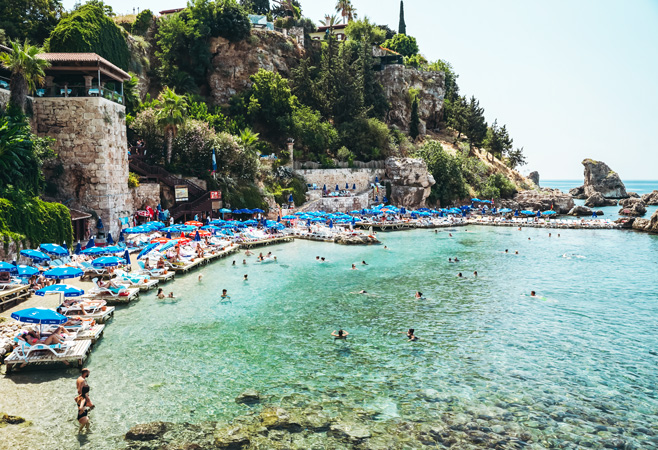 Sunny Coastline in Demre Turkey
Demre Climate Overview: What to Expect Year-Round
Understanding Weather Demre Turkey
The weather Demre Turkey follows a classic Mediterranean climate. That means long, hot, and dry summers paired with mild, wetter winters. Demre enjoys plenty of sunshine throughout the year, making it a popular destination for travelers who prefer blue skies over grey clouds.
Average daytime temperatures range from the low teens Celsius in winter to well above 30°C in summer. Rainfall is concentrated mainly between December and February, while summer months often experience very little rainfall, and dry periods can last for several weeks. In short, Demre is the kind of place where outdoor plans usually work out—Overall, weather conditions are favorable for outdoor activities during much of the year.
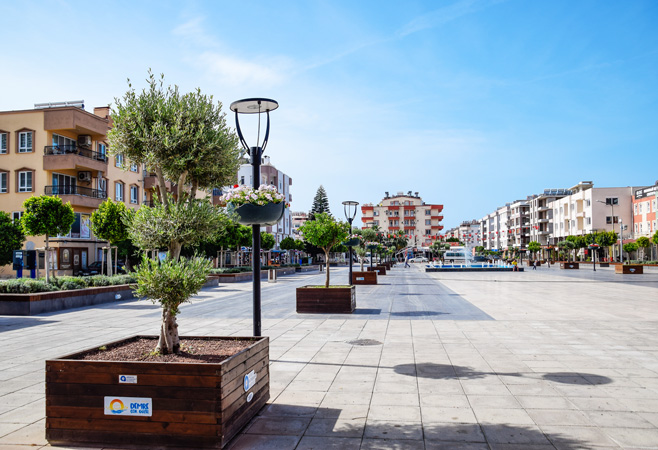 Spring Season in Demre Turkey
Seasonal Guide to Weather Demre Turkey
Spring (March to May): Mild, Fresh, and Pleasant
Spring is one of the most enjoyable times to experience weather Demre Turkey. Temperatures gradually rise from around 18°C in March to the mid-20s by May. Rainfall decreases, flowers bloom, and the countryside looks surprisingly green for a Mediterranean region.
This season is ideal for sightseeing at ancient ruins, walking along the coast, and enjoying outdoor cafés without breaking into a sweat. It’s also a great time to visit if you prefer fewer crowds and comfortable weather rather than peak summer heat.
Summer (June to August): Hot, Sunny, and Beach-Perfect
If you love sunshine, summer is your season. During this time, weather Demre Turkey is hot and dry, with daytime temperatures often exceeding 30°C. July and August are the hottest months, and rainfall is almost nonexistent.
This is prime beach weather. Swimming, boat trips, and seaside dining dominate daily life. Just remember: the sun here does not joke around. Sunscreen, hats, and hydration are essentials—consider them as important as your passport. Speaking of which, if you’re visiting from abroad, make sure your Turkey eVisa is ready before you travel, so nothing stands between you and the sea.
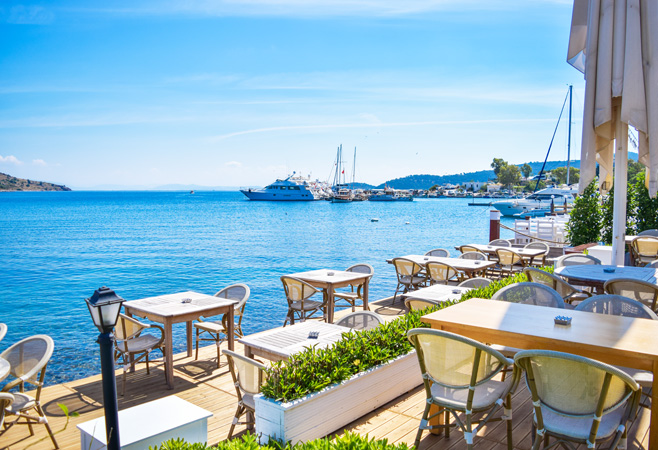 Summer Weather in Demre Turkey
Autumn (September to November): Warm Seas and Fewer Tourists
Autumn brings slightly cooler temperatures while keeping the sea pleasantly warm. September still feels like summer, with highs around the high-20s Celsius, while November cools down to the low-20s.
Many travelers consider this the best balance of weather Demre Turkey: less intense heat, fewer tourists, and excellent conditions for sightseeing and swimming. Occasional rain returns later in the season, especially in November, but major disruptions to travel are uncommon.
Winter (December to February): Mild and Rainy, Not Cold
Winter in Demre is mild compared to much of Europe. Daytime temperatures typically stay between 10°C and 15°C, and snow is extremely rare in coastal Demre, though higher elevations in the surrounding mountains may experience snowfall. Rainfall is more frequent, making this the wettest season.
While it’s not beach weather, winter is perfect for travelers who enjoy calm, uncrowded destinations. Historical sites are quiet, prices are often lower, and the cooler temperatures are ideal for exploring on foot. Just pack a light jacket and an umbrella—you’ll be fine.
Month-by-Month Weather Snapshot
How Weather Demre Turkey Changes Each Month
January–February: Coolest months, mild temperatures, most rainfall
March–April: Warming up, fewer rainy days, spring greenery
May: Warm, sunny, excellent for outdoor activities
June–August: Hot, dry, peak beach season
September: Warm seas, comfortable air temperatures
October: Pleasant and calm, ideal for sightseeing
November–December: Cooler, more rain, peaceful atmosphere
This gradual shift makes it easy to plan a visit based on your comfort level rather than extreme weather changes.
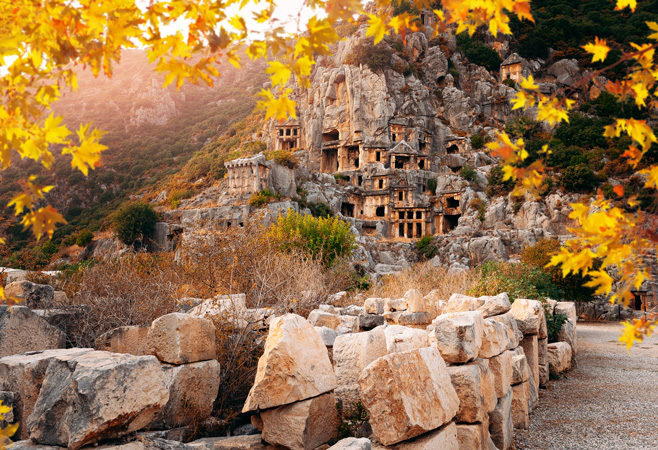 Autumn Travel in Demre Turkey
Best Time to Visit Demre Based on Weather
Choosing the best time depends on what you want from your trip:
For beaches and swimming: June to September
For sightseeing and hiking: April to May and September to October
For quiet travel and culture: November to March
Thanks to reliable weather Demre Turkey, there’s no truly bad time to visit—just different moods of the same destination.
What to Pack for Demre’s Weather
Packing smartly ensures you enjoy the weather rather than fight it:
Summer: Light clothing, sunglasses, sunscreen, sandals
Spring/Autumn: Light layers, comfortable walking shoes
Winter: Light jacket, rainproof shoes, umbrella
No heavy winter coats required—this isn’t that kind of winter destination.
Weather Tips for Travelers to Demre
Check daily forecasts during winter for rain planning
Avoid midday sightseeing in peak summer heat
Book accommodations with air conditioning for summer stays
Plan early morning or evening activities during hot months
Also, before finalizing your plans, remember to apply for your Turkey eVisa online. It’s a quick process and saves you time at the airport—always a win when travel excitement is high.
Why Weather Demre Turkey Is Ideal for Travelers
The biggest advantage of weather Demre Turkey is consistency. Extreme cold is uncommon, and severe weather is relatively rare compared to many other regions, though occasional storms may occur in winter. This reliability makes Demre especially appealing for first-time visitors to Turkey and travelers who prefer stress-free planning.
Whether you’re exploring ancient Lycian tombs, relaxing by the sea, or enjoying local cuisine outdoors, Demre’s climate supports a laid-back travel experience. And honestly, any destination where winter still allows outdoor coffee breaks is doing something right.
Final Thoughts
Understanding weather Demre Turkey helps you plan smarter, pack lighter, and enjoy more. With its Mediterranean climate, long sunny seasons, and mild winters, Demre welcomes travelers almost year-round. Choose the season that matches your travel style, prepare accordingly, and let the weather do the rest.
Before you go, don’t forget to secure your Turkey eVisa in advance so your journey starts smoothly. After all, the only thing better than perfect weather is knowing everything is already taken care of—leaving you free to enjoy Demre, sunshine included.
Frequently Asked Questions About Weather Demre Turkey
Does Demre experience extreme heat waves in summer?
During peak summer months, especially July and August, temperatures can rise above average seasonal norms. While typical summer weather Demre Turkey is hot and dry, occasional heat waves may push temperatures higher for short periods. Travelers visiting during this time should plan outdoor activities for early morning or evening and stay well hydrated throughout the day.
Is Demre windy during certain times of the year?
Demre can experience light coastal breezes, particularly in the afternoon during summer. These breezes often make high temperatures more comfortable rather than disruptive. Strong winds are not common in the town itself, although boat tours may occasionally adjust schedules depending on sea conditions.
How humid is the weather in Demre?
Humidity levels in Demre are generally moderate compared to tropical destinations. Summer days can feel warm, but the dry Mediterranean climate keeps humidity from becoming overwhelming. Evenings often feel more comfortable, especially near the coast where sea air helps balance the temperature.
Can rain affect outdoor activities in winter?
Winter brings more rainfall than other seasons, but showers are often periodic rather than constant. While occasional rainy days may affect hiking or beach walks, many winter days remain mild and suitable for sightseeing. Checking short-term forecasts can help you plan efficiently.
Is the sea warm enough for swimming outside of summer?
Sea temperatures are warmest between June and September. In late spring and early autumn, many visitors still find the water comfortable for swimming. During winter months, the sea is cooler, and swimming becomes less common except for experienced cold-water swimmers.
Does Demre ever experience storms or severe weather?
Severe weather is relatively rare in Demre. Winter may occasionally bring heavier rainstorms, but extreme events such as snow or prolonged storms are uncommon along the coast. This stability makes weather Demre Turkey generally reliable for travel planning.
What is the sunniest month in Demre?
July and August are typically the sunniest months, with long daylight hours and minimal rainfall. These months offer near-guaranteed sunshine, making them popular for beach holidays. Travelers sensitive to heat may prefer June or September for a balance of sun and comfort.
Do I need special weather gear for Demre?
Special gear is rarely necessary. Lightweight clothing works for most of the year, with a light jacket recommended in winter or early spring evenings. Comfortable walking shoes and sun protection are far more important than heavy weather equipment.
Related Articles
- Cappadocia Itinerary: The Perfect 1, 2, 3 & 4-Day Travel Plan
- Things to Do in Cappadocia: 20 Best Attractions & Activities
- Cappadocia Travel Guide (2026): Ultimate First-Time Visitor Guide
- Best Neighborhoods to Stay in Istanbul: A Complete Guide for First-Time Visitors
- Free Things to Do in Istanbul: 14 Amazing Experiences Without Spending a Lira
- Turkey Backpacking Itinerary: The Ultimate Budget Travel Route for Adventure Travelers
- Turkey Family Vacation Itinerary: The Perfect 7–10 Day Trip for Parents and Kids
- Turkey Honeymoon Itinerary: The Perfect Romantic 9-Day Escape for Couples
- Izmir, Turkey Itinerary: Best 3–5 Day Travel Guide to Turkey’s Coastal Gem

HOW CAN WE HELP?
NEED HELP 24/7
 United States
+1 949 346 9868
United States
+1 949 346 9868
 United Kingdom
+44 0330 822 7696
United Kingdom
+44 0330 822 7696
 Singapore
+65 6485 3630
Singapore
+65 6485 3630
 Viber
+65 8174 8526
Viber
+65 8174 8526


