
Turkish Traditional Clothing for Men History and Fashion
If you think fashion is just about modern runway shows in Paris or Milan, think again. Turkey has been rocking bold styles for centuries, and the outfits worn by men are proof that elegance, comfort, and a little bit of swagger go hand in hand. From the grand Ottoman courts to the bustling streets of Anatolia, Turkish traditional clothing men continues to tell stories of culture, history, and regional pride.
- The Roots of Turkish Men’s Style
- Key Elements of Turkish Traditional Clothing Men
- Regional Styles Across Turkey
- Ottoman Influence on Men’s Fashion
- Ceremonial Clothing and Special Occasions
- Modern Adaptations of Turkish Traditional Clothing Men
- Where to Find Turkish Traditional Clothing for Men
- Conclusion: Fashion Meets Heritage
- FAQs About Turkish Traditional Clothing for Men
- Can visitors try on Turkish traditional men’s clothing in Turkey?
- What’s the difference between şalvar and modern baggy pants?
- Are yemeni shoes really that comfortable?
- Do men still wear these outfits daily?
- Where can I buy authentic Turkish men’s traditional clothing?
- What makes the Ottoman kaftan special?
- Can I wear a traditional men’s outfit to a Turkish wedding?
- Are there modern versions of Turkish men’s traditional clothing?
- Is it respectful for foreign men to wear Turkish traditional clothing?
- Do Turkish men’s traditional outfits vary by region?
- What accessories are commonly worn with Turkish traditional men’s clothing?
- Can Turkish traditional men’s clothing be worn for daily fashion today?
- Are there specific colors or patterns with special meanings in Turkish men’s clothing?
- How can I tell if traditional men’s clothing is handmade or mass-produced?
Travel tip: If you plan to visit Turkey to experience these traditions, remember to arrange your visa beforehand. Trust me, you won’t impress customs officers with your imitation kaftan unless you’ve got the paperwork sorted.
The Roots of Turkish Men’s Style
Turkey sits at the crossroads of Europe and Asia, so it’s no surprise that its clothing traditions are a beautiful blend of influences. The roots of Turkish men’s clothing lie in the traditions of Central Asian Turkic nomads, who favored loose trousers, layered coats, and fur hats—practical garments that later blended with Anatolian and Ottoman styles. Each piece isn’t just about looking good—it’s practical for daily life, suitable for the climate, and sometimes even symbolic of social status.
So, while today’s guy might stress over picking the right tie, men in old Turkey had to decide between a richly embroidered vest or a colorful sash. Honestly, we might be overcomplicating fashion now!
Key Elements of Turkish Traditional Clothing Men
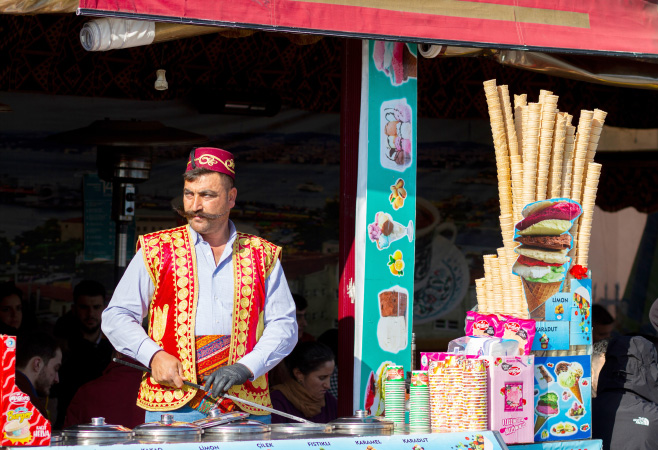 Traditional Turkish Men’s Clothing – Şalvar and Vest
Şalvar – The Baggy Trousers That Mean Business
Imagine pants so comfortable they make sweatpants jealous. That’s the şalvar, a staple of Turkish traditional clothing men for centuries. These loose, baggy trousers were perfect for riding horses, farming, or, let’s be honest, lounging after a big meal of kebabs. They’re tied at the waist with a sash, giving both freedom of movement and style.
Tip: If you plan on dancing at a Turkish folk festival, şalvar will let you jump higher and twirl longer than skinny jeans ever could.
Mintan and Cepken – Shirts and Vests with Flair
The mintan is a simple, functional shirt often made of cotton or linen. Over it comes the cepken or yelek—short jackets or vests embroidered with colorful designs. Together, they create a layered look that’s as stylish as it is practical. Think of it as the original “smart casual” look.
Kemer – The Belt That Does More Than Hold Pants
The kemer, or sash, isn’t just an accessory—it’s a fashion statement. Worn in vibrant colors, it pulls the outfit together while keeping practical tools or even small weapons at hand. Move over, luxury leather belts; this is utility fashion done right.
Footwear and Headgear: Completing the Look
No outfit is complete without shoes and headgear, and in Turkish traditional clothing men, these details were everything.
- Yemeni shoes: Handmade leather shoes, often in red or black. Soft, durable, and stylish enough to make modern sneakers look basic.
- Headgear varied widely, from turbans and fur-lined kalpak hats in colder regions to the fez, which became popular only in the 19th century during Ottoman reforms. Each carried cultural meaning and often reflected the era as well as the region.
Regional Styles Across Turkey
One of the coolest things about Turkish traditional clothing men is how it changes depending on where you are.
- Anatolia: Bright sashes, wide trousers, and colorful vests. These outfits practically shout “festival ready!”
- Black Sea region: Tighter trousers, darker colors, and practical designs for a rugged lifestyle. Perfect for fishermen who still want to look sharp.
- Eastern Turkey: Layered clothing, heavier fabrics, and influences from tribal traditions. Think functional, but with a serious dose of style.
Travel tip: If you’re heading to these regions, you’ll spot these styles in folk dances and local festivals. But remember—pack your Turkey eVisa before you pack your camera.
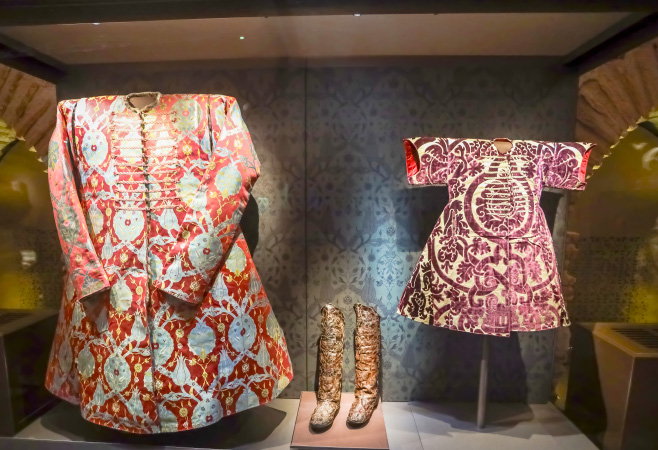 Ottoman Men’s Kaftan – Royal Turkish Fashion
Ottoman Influence on Men’s Fashion
When you think of the Ottoman Empire, think luxury. The elite wore kaftans—long robes made of silk, velvet, or brocade, often decorated with gold and silver embroidery. These garments weren’t just clothes; they were symbols of wealth and power. If you showed up in a kaftan, people knew you were important.
Wearing a kaftan in the Ottoman court was a visible marker of wealth and rank, much like exclusive fashion labels serve as symbols of prestige today.
 Turkish Folk Dancers in Men’s Traditional Clothing
Ceremonial Clothing and Special Occasions
Turkish traditional clothing men wasn’t just for daily wear. Weddings, religious events, and cultural celebrations called for extra flair.
- Grooms wore richly embroidered jackets and colorful sashes.
- Janissaries, the elite Ottoman soldiers, wore distinctive uniforms with tall headgear symbolizing rank, while Mevlevi dervishes were recognized by their long white robes and tall felt hats (sikke) during spiritual ceremonies.
- Folk dancers wore bright costumes to preserve and showcase regional identities.
So if you’re lucky enough to attend a wedding or festival in Turkey, you’ll see tradition come alive through fashion. Just don’t try to outshine the groom—unless you’re ready for some raised eyebrows.
Modern Adaptations of Turkish Traditional Clothing Men
While daily wear has shifted to jeans and T-shirts, traditional outfits haven’t disappeared. Designers are blending old and new, creating fashion that respects heritage while fitting into modern wardrobes. You might even spot a stylish jacket inspired by Ottoman embroidery on the streets of Istanbul.
For travelers, this is your chance to buy something unique. Why not take home a modernized vest or a pair of yemeni shoes as a souvenir? And yes, you’ll need your Turkey eVisa before you get to shop.
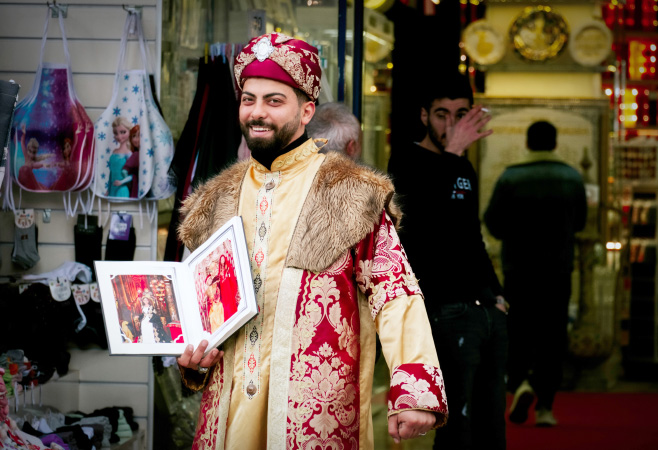 Turkish Traditional Men’s Clothing for Sale in Grand Bazaar
Where to Find Turkish Traditional Clothing for Men
- Grand Bazaar in Istanbul: Endless stalls with handmade vests, şalvar, and shoes.
- Ethnographic Museums: Perfect to see historical garments up close.
- Local markets in Anatolia or Eastern Turkey: Where traditional clothing is still part of daily life.
Shopping tip: Haggle politely, and you might score a great deal. But don’t haggle with immigration officials—just get your eVisa online.
Conclusion: Fashion Meets Heritage
Turkish traditional clothing men is more than fabric and embroidery—it’s history you can wear. From the comfort of the şalvar to the elegance of the kaftan, every piece carries centuries of culture and craftsmanship. Today, these outfits live on in festivals, dances, weddings, and the work of creative designers.
So when you visit Turkey, don’t just snap photos of landmarks. Take the time to appreciate the fashion that has shaped generations. And remember—the best accessory you can have on this trip is your Turkey eVisa. Without it, your fashion journey might end at the airport check-in desk, and nobody wants that.
FAQs About Turkish Traditional Clothing for Men
Can visitors try on Turkish traditional men’s clothing in Turkey?
Yes! Cultural centers, folk festivals, and some shops (especially in the Grand Bazaar) often let visitors try on şalvar, vests, or even kaftans. Just be warned—you might not want to go back to jeans after experiencing that level of comfort.
What’s the difference between şalvar and modern baggy pants?
Şalvar aren’t just baggy—they’re centuries of culture stitched into a single garment. Modern joggers wish they had that level of heritage and style (and probably that much airflow for dancing at festivals!).
Are yemeni shoes really that comfortable?
Absolutely. These handmade leather shoes are soft, durable, and surprisingly stylish. Think of them as the Turkish grandfather of loafers—crafted with love, not mass production.
Do men still wear these outfits daily?
Not in big cities. Today, traditional clothing is mainly for weddings, festivals, and folk dances. In rural areas you might still see şalvar, but Istanbul’s metro is more jeans-and-sneakers territory.
Where can I buy authentic Turkish men’s traditional clothing?
Try Istanbul’s Grand Bazaar for handmade vests, Anatolian markets for authentic village styles, or museum gift shops for historically inspired pieces. Pro tip: haggle at the market, not at immigration.
What makes the Ottoman kaftan special?
The kaftan was basically the “Versace of the Ottoman Empire.” Silk, velvet, gold embroidery—wearing one told everyone you were important. Today you’ll mostly see them in museums or high-end cultural shows.
Can I wear a traditional men’s outfit to a Turkish wedding?
Yes, but ask the hosts first. Wearing a kaftan or embroidered jacket can be fun, but you don’t want to outshine the groom—unless you’re ready for a lot of raised eyebrows and some playful gossip.
Are there modern versions of Turkish men’s traditional clothing?
Definitely. Designers in Istanbul and Ankara are blending Ottoman patterns with modern jackets, vests, and accessories. It’s heritage meets streetwear—perfect for bringing a bit of history into your wardrobe.
Is it respectful for foreign men to wear Turkish traditional clothing?
Yes—when worn with appreciation and understanding. Locals generally enjoy seeing visitors embrace Turkish culture, especially at festivals or cultural events. Just avoid treating traditional clothing as a costume, and you’ll likely receive smiles, compliments, and maybe even a tea invitation.
Do Turkish men’s traditional outfits vary by region?
Absolutely. Eastern Anatolia favors heavily embroidered vests and wide şalvar, the Aegean region features lighter fabrics and simpler cuts, and the Black Sea region emphasizes practicality for daily life. Each style reflects climate, history, and local traditions.
What accessories are commonly worn with Turkish traditional men’s clothing?
Traditional outfits are often completed with accessories like embroidered belts, sashes, silver jewelry, daggers (purely ceremonial today), and regional headwear such as fes or keçe hats. These details weren’t just decorative—they showed status, region, and even profession. Basically, accessories were the original LinkedIn profile.
Can Turkish traditional men’s clothing be worn for daily fashion today?
In full traditional form, not usually. But individual pieces—like embroidered vests, patterned scarves, or yemeni shoes—are increasingly worn as statement items. It’s a stylish way to honor tradition without looking like you accidentally walked out of a historical drama set.
Are there specific colors or patterns with special meanings in Turkish men’s clothing?
Yes! Colors and motifs often carried meaning. Deep reds symbolized power and status, blues were linked to protection, and geometric patterns reflected regional identity or beliefs. These designs weren’t chosen randomly—every stitch told a story long before fashion influencers existed.
How can I tell if traditional men’s clothing is handmade or mass-produced?
Handmade pieces usually feature detailed embroidery, natural fabrics, slight imperfections, and a higher price tag (for good reason). Sellers can often explain the origin and technique. If it looks too perfect and suspiciously cheap, it’s probably factory-made—not fake, just less soulful.
Related Articles
- Cappadocia Itinerary: The Perfect 1, 2, 3 & 4-Day Travel Plan
- Things to Do in Cappadocia: 20 Best Attractions & Activities
- Cappadocia Travel Guide (2026): Ultimate First-Time Visitor Guide
- Best Neighborhoods to Stay in Istanbul: A Complete Guide for First-Time Visitors
- Free Things to Do in Istanbul: 14 Amazing Experiences Without Spending a Lira
- Turkey Backpacking Itinerary: The Ultimate Budget Travel Route for Adventure Travelers
- Turkey Family Vacation Itinerary: The Perfect 7–10 Day Trip for Parents and Kids
- Turkey Honeymoon Itinerary: The Perfect Romantic 9-Day Escape for Couples
- Izmir, Turkey Itinerary: Best 3–5 Day Travel Guide to Turkey’s Coastal Gem

HOW CAN WE HELP?
NEED HELP 24/7
 United States
+1 949 346 9868
United States
+1 949 346 9868
 United Kingdom
+44 0330 822 7696
United Kingdom
+44 0330 822 7696
 Singapore
+65 6485 3630
Singapore
+65 6485 3630
 Viber
+65 8174 8526
Viber
+65 8174 8526


