
Is Turkey Safe to Travel Updated Safety Tips for 2026
So you’re daydreaming of baklava, hammams, and the dazzling skyline of Istanbul—and suddenly you stumble upon the words “Turkey travel warnings.” Cue the dramatic music. Should you slam the brakes on your Turkish adventure? Or is it safe enough to keep those flight alerts turned on?
- Turkey Travel Warnings in 2026: The Big Picture
- What Happened in Beth Martin’s Case
- Terrorism, Protests, and All That Jazz
- Natural Hazards: Earthquakes, Fires, and Hot Weather
- Health Warnings: Stay in Tip-Top Shape
- Practical Safety Tips for Your Trip
- Additional FAQs About Turkey Travel and eVisa
- Can my Turkey eVisa be used for medical treatment?
- Do I need an eVisa if I’m just connecting through Istanbul?
- Can I show my eVisa on my phone, or should I print it?
- What if I miss my travel window—can I reuse the eVisa?
- Can I travel to high-risk zones with an eVisa?
- Can I change my travel dates after my eVisa is issued?
- How do I know if I’m booking through a legit visa website?
- Is my eVisa still valid if travel warnings change?
- Do children need separate eVisas?
- Can my eVisa be denied at the border even if it was approved?
- Does having a Turkey eVisa guarantee entry into Turkey?
Fear not, intrepid explorer. Let’s untangle what these warnings really mean, so you can plan your trip with confidence—and yes, remember to apply for your Turkey eVisa before packing your bags!
Turkey Travel Warnings in 2026: The Big Picture
First things first: Turkey travel warnings don’t mean the entire country is one giant danger zone. Far from it! Think of travel advisories like those “Hot Surface!” stickers on your coffee cup—it’s not that coffee is out to kill you, but you should sip carefully.
As of 2026, major government advisories generally say:
- Most tourist areas like Istanbul, Cappadocia, Pamukkale, and the Turkish Riviera are safe for travelers.
- There are higher travel warnings for regions near the Syrian and Iraqi borders due to ongoing security concerns.
- Earthquakes are a risk, especially in some regions, so travelers should stay informed.
Don’t let warnings stop your Turkish dreams—but do plan smartly. And speaking of smart planning… get that Turkey eVisa sorted online! It’s quick and saves you from airport queues (which are scarier than any travel warning).
What Happened in Beth Martin’s Case
Sudden illness & hospitalization
Beth Martin, a 28‑year‑old British mother, became unwell—possibly food poisoning—on a flight to Istanbul on April 27 and was taken to Marmara University Pendik Hospital the next day.
Lack of communication & restrictions
Her husband was initially banned from visiting her, then accused of poisoning her, and only allowed a brief one‑minute viewing after she died.
Missing heart controversy
A UK post-mortem revealed that her heart was missing—allegedly removed during investigations in Turkey without consent.
Turkish authorities respond
Turkish officials denied any organ removal, stating a non-invasive autopsy was conducted, and cited “cardiac arrest due to multiple organ failure.” Authorities are investigating the case and are analyzing the heart at a forensic institute.
Family’s response
The family has initiated a negligence investigation, launched a GoFundMe campaign, and raised over £250K to cover repatriation and legal costs.
Travel Warnings & Advice for Travelers
Be prepared for differing post‑mortem laws
Turkish law allows removal of tissues or organs without family consent in forensic cases. These parts are usually returned, but exceptional cases may retain them.
Ensure full medical communication
Language barriers and hospital protocols can limit family access. Bring a professional translator and insist on being informed of all transfers and procedures.
Get travel insurance with full repatriation and legal coverage
Beth’s family faced delays and high costs in repatriating her body. Insurance covering emergency transport, legal help, and translation is crucial.
Be cautious with hospital choice
Marmara University Pendik is a public "two‑star" hospital with several controversial reviews. For serious conditions, consider certified private clinics.
Understand allergy and treatment risks
Discrepancies emerged about Beth’s known penicillin allergy. Keep a written, translated medical summary with allergies and conditions.
Contact your embassy or consulate immediately
The UK Foreign Office is involved in the case. In emergencies or deaths abroad, report to your embassy—they assist with legal, medical, and repatriation issues.
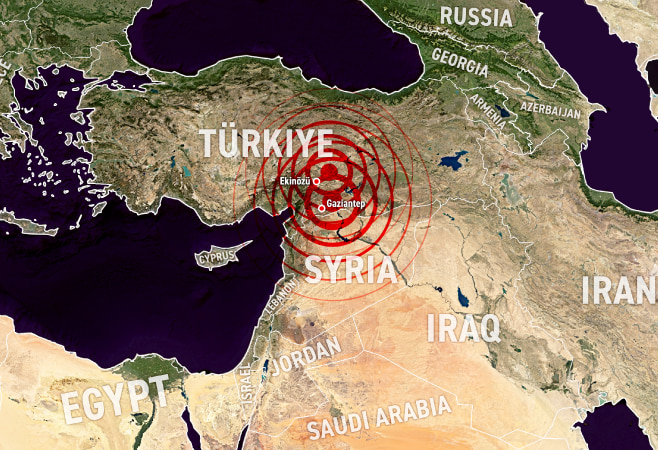
Turkey Travel Warnings Map - Safe and Caution Zones
Terrorism, Protests, and All That Jazz
Terrorism and Security Risks
Let’s talk about the elephant in the room. Or should we say… the camel in the bazaar? (Okay, we’ll show ourselves out.)
Yes, Turkey travel warnings often mention terrorism. Like many parts of the world, Turkey has faced terror-related incidents in the past, mainly in larger cities. Security is tight in tourist hubs, and authorities remain vigilant.
The best rule? Avoid big gatherings, keep your eyes peeled, and trust your gut. And hey, if your gut’s telling you to apply for your Turkey eVisa, listen to it—it’s probably right about that too.
Political Demonstrations: Keep Calm and Carry On
Turkey is a passionate place. Political demonstrations happen, especially in big cities like Istanbul and Ankara. They’re usually peaceful, but they can escalate.
If you see a crowd chanting slogans, consider taking a detour to a café for some Turkish tea instead.
And remember: you can always apply for your Turkey eVisa while sipping your tea. Multitasking like a pro!
Crime and Scams: Don’t Get Bamboozled
Most visitors describe Turkey as safe, but petty theft and tourist scams exist—just like in Rome, Paris, or your local shopping mall during holiday sales.
A few tips:
- Keep your bags zipped.
- Ignore overly friendly strangers offering “special prices.”
- Double-check taxi meters.
Pro tip: It’s far easier to avoid scams if you apply for your Turkey eVisa ahead of time. Nobody can con you into “buying” a fake visa at the airport if you already have the real deal!
 Tourists Enjoying Istanbul Despite Travel Warnings
Natural Hazards: Earthquakes, Fires, and Hot Weather
Ah, Mother Nature. She can be as unpredictable as Turkish coffee grounds.
Turkey travel warnings sometimes highlight:
- Earthquakes: Particularly around eastern and northwestern regions. Always know where your hotel’s emergency exits are!
- Forest Fires: In summer, especially along the coast.
- Heatwaves: Pack sunscreen and drink tons of water. No, Raki doesn’t count.
But let’s not forget the silver lining: if the ground’s shaking, at least you’ll have a story to tell. (“Remember that time we evacuated our Cappadocia cave hotel?”)
And yes, even in the event of a tremor, it’s still a smart idea to apply for your Turkey eVisa before you go.
Health Warnings: Stay in Tip-Top Shape
Turkey’s health risks are generally low, but there are still a few things to keep in mind:
- Tap water isn’t recommended for drinking in many areas. Bottled is better.
- Keep vaccines up to date, especially if traveling off the beaten path.
- Beware of “Turkish Tummy” from street food overload (although, sometimes it’s worth it… kebab, anyone?).
In short: take normal health precautions—and apply for your Turkey eVisa for smoother sailing (and fewer customs hassles).
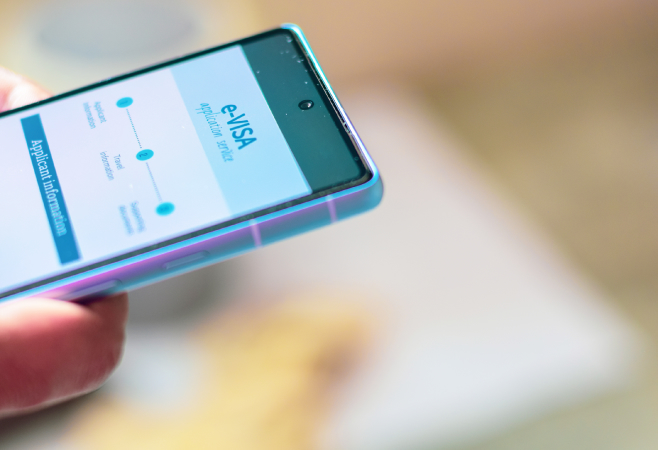 Applying for Turkey eVisa Online
Practical Safety Tips for Your Trip
Here’s your quick survival kit for traveling under Turkey travel warnings:
| Step | Advice |
|---|---|
| 1 | Carry translated medical info (conditions, allergies) |
| 2 | Get comprehensive travel insurance with repatriation |
| 3 | Know hospital quality options—private vs public |
| 4 | Have emergency contacts for embassy/family in place |
| 5 | Understand Turkish forensic and autopsy laws |
| 6 | Use reputable tour operators. |
| 7 | Stay aware of local news. |
A wise traveler once said: “Don’t let fear stop your adventure. Let lack of a visa stop it instead.” (Okay, maybe that was me just now.) Moral of the story? Apply for your Turkey eVisa!
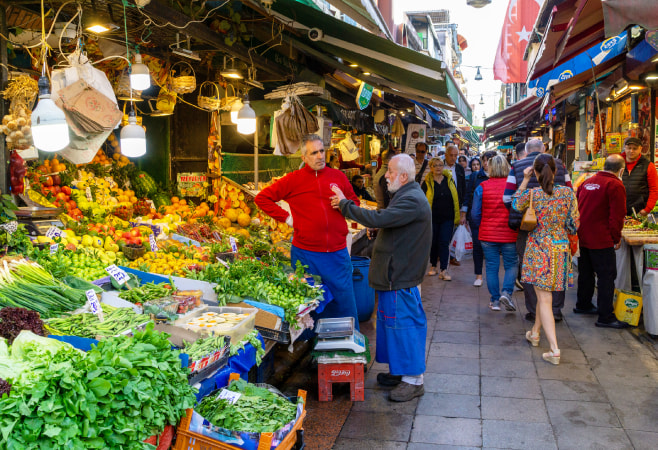
Turkish Bazaar Life and Travel Safety Tips
Additional FAQs About Turkey Travel and eVisa
Can my Turkey eVisa be used for medical treatment?
Technically no—your eVisa is for tourism and short business trips. But if you plan to mix sightseeing with, say, a hair transplant (Turkey’s quite famous for that), make sure your procedure is minor and doesn’t require long-term care. For anything serious, best to apply for a medical visa. Your follicles will thank you!
Do I need an eVisa if I’m just connecting through Istanbul?
Good news! If you’re not leaving the airport’s international zone, you don’t need a visa. Just don’t wander off mid-connection to buy Turkish delight in the city center—you’ll need a valid eVisa for that. Stay in the transit lounge, and your snack hunt can wait.
Can I show my eVisa on my phone, or should I print it?
Digital is usually fine, but airports aren’t always tech-friendly. One dropped connection and you're frantically asking airport Wi-Fi for a miracle. Print it out—old school style. It's like packing extra socks: you hope you don’t need them, but you’ll be glad if you do.
What if I miss my travel window—can I reuse the eVisa?
Unfortunately, no. Your eVisa is only valid for the dates you chose. If your plans change (or if your boss pulls the ol’ “urgent meeting” card), you’ll need to apply again. Turkey’s still there waiting for you—just rebook and reapply.
Can I travel to high-risk zones with an eVisa?
You can—but should you? That’s another question. Your eVisa is valid across Turkey, but it’s smart to avoid areas near the Syrian or Iraqi borders unless you really enjoy adrenaline… and paperwork. Stick to the scenic stuff; Turkey has plenty of it!
Can I change my travel dates after my eVisa is issued?
Nope. eVisas are like that gym membership you forgot to cancel—once processed, it’s locked in. If your travel dates shift, your eVisa won’t follow. You’ll need to apply for a new one. So double-check those flight dates before you click “submit.”
How do I know if I’m booking through a legit visa website?
Look for sites with secure payment (https), a clear refund policy, and contact support that doesn’t disappear faster than your Turkish Wi-Fi. TurkeyImmigration.org is a safe bet. Avoid shady pop-ups promising “free entry to paradise.” (Spoiler: it’s a scam.)
Is my eVisa still valid if travel warnings change?
Yes, your eVisa doesn’t expire early just because the travel advisory got updated. But if your home country raises a red flag, it’s wise to monitor updates and maybe check if your travel insurance covers spontaneous volcano eruptions or surprise camel parades (okay, maybe not the camels).
Do children need separate eVisas?
Yep—no stowaways allowed, even if they’re under 10 and still think "visa" is a brand of toothpaste. Every traveler, regardless of age, must have their own eVisa. So yes, even baby Zara needs her paperwork in order.
Can my eVisa be denied at the border even if it was approved?
Yes—rare, but possible. An approved eVisa allows you to travel to Turkey, but final entry is decided by border officials. Issues like passport damage, overstays on previous trips, or suspicious travel plans can raise eyebrows. Moral of the story: have your documents ready and your answers calm—not dramatic.
Does having a Turkey eVisa guarantee entry into Turkey?
Not 100%. The eVisa is permission to arrive, not a VIP pass with confetti. Immigration officers may still ask about accommodation, return tickets, or funds. As long as you’re prepared and not winging it with “I’ll figure it out,” you’ll be just fine.
Related Articles
- Cappadocia Itinerary: The Perfect 1, 2, 3 & 4-Day Travel Plan
- Things to Do in Cappadocia: 20 Best Attractions & Activities
- Cappadocia Travel Guide (2026): Ultimate First-Time Visitor Guide
- Best Neighborhoods to Stay in Istanbul: A Complete Guide for First-Time Visitors
- Free Things to Do in Istanbul: 14 Amazing Experiences Without Spending a Lira
- Turkey Backpacking Itinerary: The Ultimate Budget Travel Route for Adventure Travelers
- Turkey Family Vacation Itinerary: The Perfect 7–10 Day Trip for Parents and Kids
- Turkey Honeymoon Itinerary: The Perfect Romantic 9-Day Escape for Couples
- Izmir, Turkey Itinerary: Best 3–5 Day Travel Guide to Turkey’s Coastal Gem

HOW CAN WE HELP?
NEED HELP 24/7
 United States
+1 949 346 9868
United States
+1 949 346 9868
 United Kingdom
+44 0330 822 7696
United Kingdom
+44 0330 822 7696
 Singapore
+65 6485 3630
Singapore
+65 6485 3630
 Viber
+65 8174 8526
Viber
+65 8174 8526


