
Galata Tower History: From Medieval Watchtower to Istanbul Icon
When people think of Istanbul, images of domes, minarets, and bustling streets often come to mind. Rising confidently above them all is Galata Tower—an unmistakable silhouette with a story that stretches across centuries. Understanding galata tower history is like flipping through Istanbul’s diary, page by page, from empires to legends and modern tourism. Over the centuries, the tower has witnessed fires, earthquakes, military transitions, and the transformation of Istanbul itself.
- Introduction to Galata Tower History
- Origins of Galata Tower History
- Galata Tower History Under the Ottoman Empire
- The Legend That Defines Galata Tower History
- Architectural Evolution of Galata Tower History
- Galata Tower History in the Modern Era
- Cultural Importance of Galata Tower History
- Visiting Galata Tower Today
- Why Galata Tower History Still Matters
Before you start planning your visit, remember that traveling to Turkey is easier than ever with a simple online eVisa application. A few clicks now can save you a lot of waiting later—your future self will thank you.
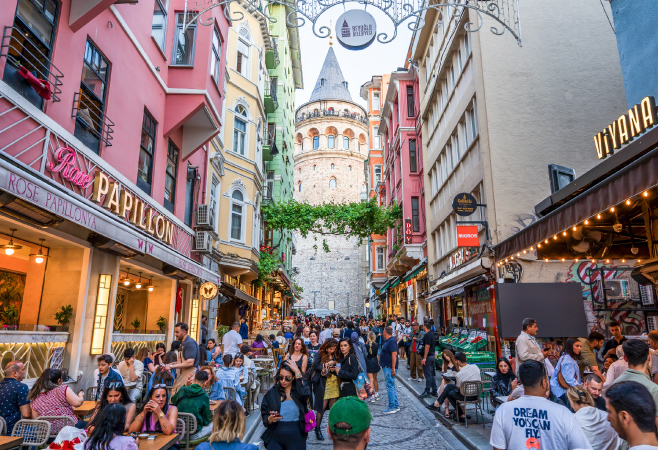 Galata Tower Istanbul Historical View
Introduction to Galata Tower History
Standing tall in the Galata district, Galata Tower is one of Istanbul’s oldest and most beloved landmarks. Its strategic position overlooking the Golden Horn made it important long before it became Instagram-famous. The tower’s history reflects Istanbul’s layered past, shaped by Byzantines, Genoese merchants, Ottoman sultans, and modern-day travelers who are just here for the view (no judgment).
More than just a tower, it’s a time capsule that connects Istanbul’s European and Asian sides—both literally and historically.
Origins of Galata Tower History
Byzantine Beginnings of Galata Tower History
The earliest chapter of galata tower history dates back to the Byzantine era. While the exact form of the original structure is debated, historical records suggest that a defensive tower stood on or near the same site as early as the 6th century. Its role was simple but crucial: protecting the city and monitoring maritime traffic entering the Golden Horn.
Back then, the tower wasn’t about panoramic views or romantic sunsets—it was all business.
Construction by the Genoese in 1348
The most defining moment in galata tower history came in 1348, when the Genoese—an Italian maritime republic—built the stone tower we recognize today. They called it the “Tower of Christ,” and it served as the tallest structure in Istanbul at the time. Built as part of the Genoese fortifications, the tower symbolized power, trade dominance, and architectural ambition.
The tower symbolized the Genoese community’s commercial influence and defensive strength, scanning the horizon and thinking, “Yes, this was worth the climb.”
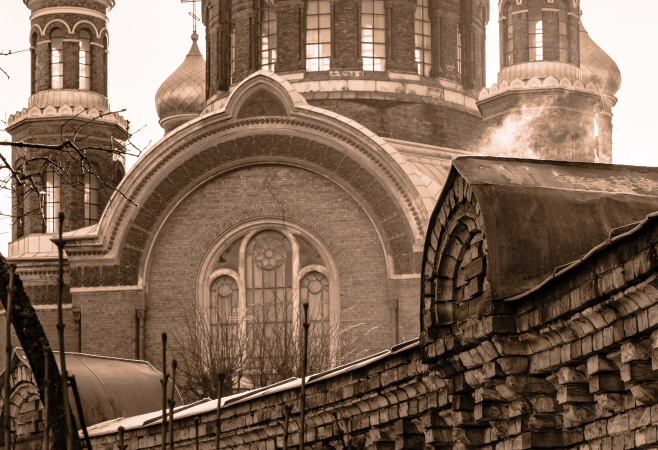 Galata Tower Genoese Construction Era
Galata Tower History Under the Ottoman Empire
After the Conquest of Constantinople
When the Ottomans conquered Constantinople in 1453, Galata Tower entered a new phase of its history. Rather than destroying it, the Ottomans repurposed the tower, recognizing its strategic value. The Ottomans chose to preserve and repurpose the tower because of its strategic value.
The galata tower history during this era is marked by adaptation rather than replacement.
Multiple Uses Over the Centuries
Over time, Galata Tower wore many hats. It functioned as a fire watchtower, spotting blazes in Istanbul’s wooden neighborhoods. It also served as a prison and later as an observation post. Fires, earthquakes, and storms caused damage more than once, but the tower was always repaired—proof that Istanbul simply wasn’t ready to let it go.
 Hezarfen Ahmed Celebi Galata Tower Legend
The Legend That Defines Galata Tower History
No discussion of galata tower history is complete without mentioning Hezârfen Ahmed Çelebi. According to legend, this 17th-century Ottoman scientist strapped on homemade wings and launched himself from the top of Galata Tower, flying across the Bosphorus to Üsküdar.
Was it real? Historians still debate it. Is it amazing? Absolutely. Even if it’s partly myth, it has become a core part of the tower’s cultural identity. After all, not every landmark can say it hosted one of history’s earliest recorded “test flights.”
Architectural Evolution of Galata Tower History
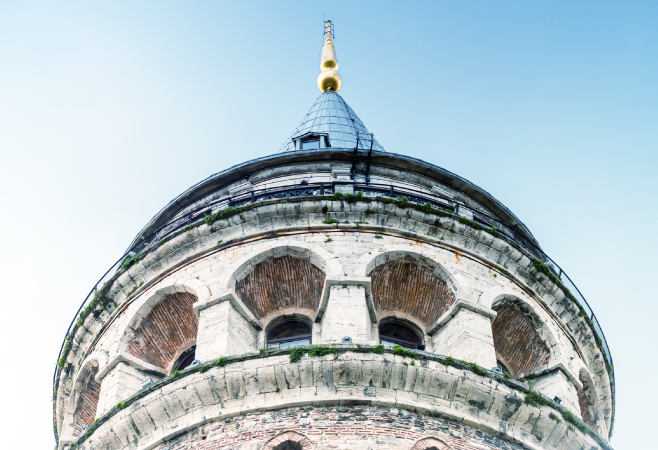
Architecturally, Galata Tower is a masterpiece of medieval engineering. Built primarily from stone, the cylindrical structure rises about 67 meters and features thick walls designed for defense. Over the centuries, renovations added the iconic conical roof and reinforced the structure after natural disasters.
The galata tower history is visible in its architecture—each renovation reflecting the technology and priorities of its era. Today, modern restorations preserve the tower while making it safe for visitors, which is a win-win situation.
Galata Tower History in the Modern Era
In recent decades, Galata Tower has transformed into a museum and observation tower, welcoming visitors from all over the world. Restoration projects have carefully balanced preservation with accessibility, allowing people to explore the tower without damaging its historical integrity.
Today, the tower functions as both a cultural landmark and a popular observation point for visitors—sharing Istanbul’s past in a way that’s engaging, educational, and, let’s be honest, very photogenic.
If you’re planning to see it in person, make sure your travel documents are ready. Applying for a Turkey eVisa online is fast and straightforward, leaving you more time to plan which angle gives you the best skyline photo.
Cultural Importance of Galata Tower History
Galata Tower is more than a building—it’s a symbol. It represents Istanbul’s ability to blend cultures, eras, and identities into a single cityscape. Artists, writers, and filmmakers have all drawn inspiration from it, making galata tower history a recurring theme in Turkish cultural expression.
For locals, it’s a familiar companion on the skyline. For visitors, it’s often the moment when Istanbul truly sinks in.
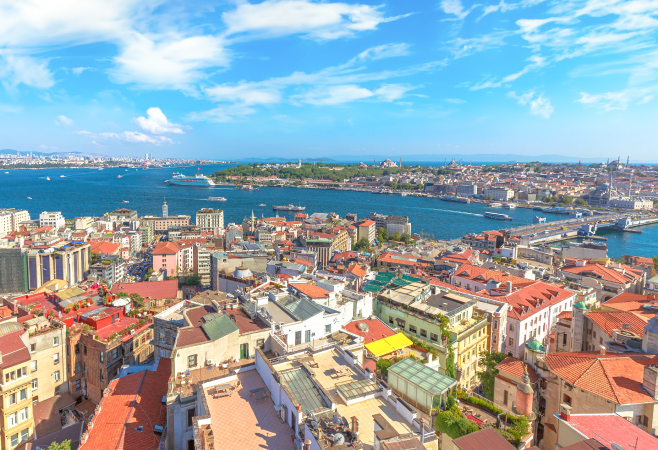 Galata Tower Observation Deck View
Visiting Galata Tower Today
Today, visitors can explore exhibitions inside the tower and head up to the observation deck for sweeping views of the Bosphorus, Sultanahmet, and beyond. Knowing the galata tower history before visiting adds depth to the experience—you’re not just looking at the city, you’re looking through time.
Travel tip: Istanbul has a lot to offer, and Galata Tower is just one highlight. Make sure your Turkey eVisa is sorted in advance so you can focus on enjoying the journey rather than paperwork.
Why Galata Tower History Still Matters
From its Byzantine roots to Genoese ambition, Ottoman ingenuity, and modern restoration, galata tower history mirrors Istanbul’s own evolution. It has survived because each generation found a reason to keep it standing.
And honestly, if a tower can last over 600 years in one of the world’s busiest cities, it deserves a spot on your itinerary.
So apply for your eVisa, lace up your walking shoes, and prepare to meet a landmark that has truly seen it all—except maybe your camera roll.
Related Articles
- Cappadocia Itinerary: The Perfect 1, 2, 3 & 4-Day Travel Plan
- Things to Do in Cappadocia: 20 Best Attractions & Activities
- Cappadocia Travel Guide (2026): Ultimate First-Time Visitor Guide
- Best Neighborhoods to Stay in Istanbul: A Complete Guide for First-Time Visitors
- Free Things to Do in Istanbul: 14 Amazing Experiences Without Spending a Lira
- Turkey Backpacking Itinerary: The Ultimate Budget Travel Route for Adventure Travelers
- Turkey Family Vacation Itinerary: The Perfect 7–10 Day Trip for Parents and Kids
- Turkey Honeymoon Itinerary: The Perfect Romantic 9-Day Escape for Couples
- Izmir, Turkey Itinerary: Best 3–5 Day Travel Guide to Turkey’s Coastal Gem

HOW CAN WE HELP?
NEED HELP 24/7
 United States
+1 949 346 9868
United States
+1 949 346 9868
 United Kingdom
+44 0330 822 7696
United Kingdom
+44 0330 822 7696
 Singapore
+65 6485 3630
Singapore
+65 6485 3630
 Viber
+65 8174 8526
Viber
+65 8174 8526


