
Difference Between Visa, eVisa, Visa on Arrival, and ETA
Traveling abroad is exciting—new cultures, delicious food, and photos that make your friends jealous. But before you pack your bags, there’s one little word that can make or break your trip: visa. If you’ve ever found yourself Googling “difference between visa, eVisa, visa on arrival, and ETA,” you’re not alone. These terms can feel confusing, but understanding them is key to a smooth journey.
And if Turkey is on your list (baklava, Bosphorus views, and magical bazaars—how could it not be?), applying for a Turkey eVisa is the smartest move you can make. Let’s break it all down.
- The Difference Between Visa Types Explained
- What is a Traditional Visa?
- What is an eVisa?
- What is a Visa on Arrival?
- What is an ETA (Electronic Travel Authorization)?
- Quick Comparison: Visa vs eVisa vs VoA vs ETA
- Which Option Should You Choose?
- Common Traveler Questions
- What’s the biggest difference between visa and eVisa?
- Is a visa on arrival worth the risk?
- Do I need an ETA or an eVisa?
- Can I apply for both an eVisa and a visa on arrival, just in case?
- What if my flight connects through a country with a visa requirement?
- Is an ETA the same for all countries?
- Do I need to print my eVisa, or is digital enough?
- What’s the biggest eVisa mistake travelers make?
- Can I use my visa for multiple countries?
- How do I know if I’m eligible for an eVisa or ETA?
- What if I apply for the wrong visa type?
- Final Thoughts
The Difference Between Visa Types Explained
When travelers talk about visas, they’re usually referring to four main options: traditional visa, eVisa, visa on arrival, and ETA. The difference between visa categories mostly lies in where you apply, how long it takes, and how risky it is. Think of it like ordering food: sometimes you dine in, sometimes you take out, sometimes you risk that sketchy food truck at midnight.
 Traveler submitting documents at embassy for a traditional visa application
What is a Traditional Visa?
The most classic of all. A traditional visa is issued by an embassy or consulate. You usually need to:
- Fill out forms that look longer than a college thesis.
- Provide documents (bank statements, hotel bookings, even your grandma’s birthday if they ask).
- Show up in person for an interview.
The upside? Once it’s stamped, you’re good to go. The downside? It takes time, effort, and sometimes nerves of steel. For long-term stays like work, study, or migration, this is usually your only choice.
But for short-term holidays (like sipping Turkish tea in Istanbul), eligible travelers can apply for a Turkey eVisa instead of going through the embassy process.
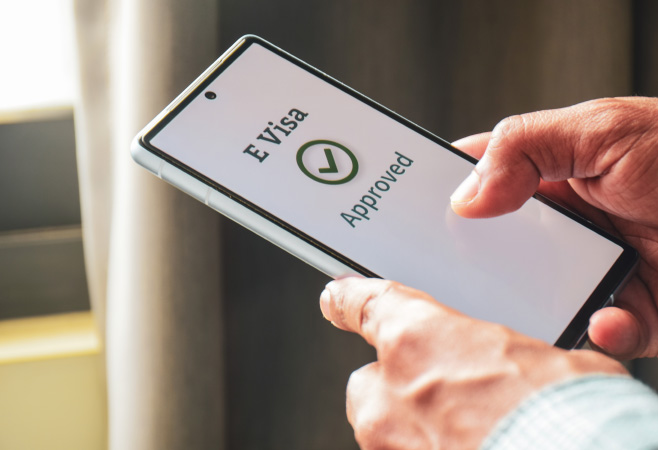 Turkey eVisa Online Application
What is an eVisa?
Here’s where technology saves travelers. An eVisa is basically the online version of a traditional visa. You apply on the internet, pay with your card, and receive the document via email. No long embassy lines, no grumpy consular officers, just a smooth digital process.
The big difference between visa and eVisa? Convenience. You can apply while lounging in pajamas, maybe even while binging your favorite series. Most eVisas are processed within hours to a few days.
Turkey is a prime example. Instead of waiting weeks, you can secure your Turkey eVisa online, print it (or keep a soft copy), and breeze through passport control like a pro.
 Passengers waiting in line at airport counter for visa on arrival
What is a Visa on Arrival?
Ah, the wild card. A visa on arrival means you get your visa at the airport or border crossing once you land. It sounds convenient—“Why bother applying beforehand? I’ll just get it when I arrive.”
But here’s the catch:
- Long queues (imagine waiting after a 10-hour flight).
- Risk of rejection at the border.
- Extra stress when all you want is a comfy hotel bed.
The difference between visa on arrival and eVisa is night and day. With a visa on arrival, you gamble with time and nerves. With an eVisa, you arrive prepared. In the past, some travelers could obtain a visa on arrival in Turkey, but today most nationalities are required to apply for a Turkey eVisa or a traditional visa in advance.
What is an ETA (Electronic Travel Authorization)?
Unlike an eVisa, an ETA is not a visa at all. It is a pre-screening requirement for travelers who are otherwise visa-exempt, such as visitors to Canada or Australia. Instead of applying for a full visa, you just get electronic clearance linked to your passport.
- Usually cheaper and quicker than eVisa.
- Mostly for short visits (tourism or transit).
- Examples include Canada’s ETA and Australia’s ETA.
The difference between visa and ETA is simple: ETA is permission to board and enter if you’re already visa-exempt. A visa, meanwhile, is mandatory for those who don’t have that privilege.
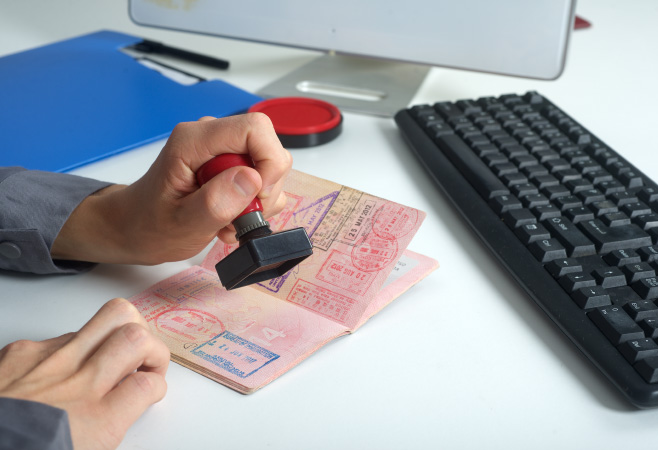 Comparison of Visa, eVisa, VoA, and ETA
Quick Comparison: Visa vs eVisa vs VoA vs ETA
| Type | Where You Apply | Processing Time | Risk Level | Best For |
|---|---|---|---|---|
| Traditional Visa | Embassy/Consulate | Days to weeks | Low | Long stays, work, study |
| eVisa | Online | Hours to days | Low Risk (for eligible nationalities) | Tourists, business trips |
| Visa on Arrival | Airport/Border | On the spot | Medium | Last-minute travelers |
| ETA | Online (pre-screening) | Minutes to hours | Low | Visa-exempt nationals |
Which Option Should You Choose?
If you’re planning ahead and your destination offers an eVisa for your nationality, it’s often the most convenient option. Why risk standing in airport lines or waiting weeks for a sticker when you can apply online? Especially for Turkey, the Turkey eVisa is quick, affordable, and accepted at all entry points.
- Forgot to apply? Risk a visa on arrival, but it’s not recommended.
- Traveling to ETA countries? Apply online in minutes.
- Moving abroad long-term? Go for the traditional visa.
For a smooth Turkish adventure, apply for your Turkey eVisa before booking your flights. It’s the easiest way to swap stress for excitement.
Common Traveler Questions
What’s the biggest difference between visa and eVisa?
The biggest difference is convenience. A traditional visa involves embassies and paperwork, while an eVisa is online, quick, and traveler-friendly.
Is a visa on arrival worth the risk?
If you like surprises, maybe. But most travelers don’t want their vacation ruined at the border. eVisa is a safer bet—apply before you travel and arrive stress-free.
Do I need an ETA or an eVisa?
It depends on your destination. ETA is usually for visa-exempt travelers (like Canada or Australia). eVisa applies to countries like Turkey, India, and more. Always check before you book.
Can I apply for both an eVisa and a visa on arrival, just in case?
Technically? No need. It's like bringing both an umbrella and sunscreen when the weather says "sunny." If you're eligible for an eVisa—use it! It's faster, safer, and less drama at the airport check-in.
What if my flight connects through a country with a visa requirement?
Great question! If you're not leaving the international terminal, you're usually fine. But if your layover turns into a city tour (or even just a coffee outside security), you might need a transit visa. Check the rules—or risk turning your layover into a lay-stuck.
Is an ETA the same for all countries?
Nope! Each ETA program has its own personality—kind of like coffee orders. Canada’s ETA and Australia’s ETA work differently. Always read the fine print (or risk missing your flat white *and* your flight).
Do I need to print my eVisa, or is digital enough?
Always carry a printed copy, even if it’s on your phone. Why? Batteries die. Screens crack. And immigration officers love paper. Better safe than stuck frantically asking for a charger at passport control!
What’s the biggest eVisa mistake travelers make?
Not double-checking the info! One wrong digit in your passport number, and it’s game over. It’s like buying a concert ticket with the wrong name—you’re not getting in, no matter how cool your outfit is.
Can I use my visa for multiple countries?
Usually not—visas are clingy. A Turkey eVisa gets you into Turkey, not Greece, not France, and definitely not Hogwarts. You’ll need separate visas for each destination unless you’re entering a visa-free zone (like the Schengen Area for EU nationals).
How do I know if I’m eligible for an eVisa or ETA?
Check your passport’s relationship status with the destination country. Many official websites (like the Turkey eVisa portal) let you select your nationality and instantly tell you what you qualify for—no awkward breakups involved.
What if I apply for the wrong visa type?
That’s like buying tickets to the wrong movie—disappointing and non-refundable. Always read the visa descriptions and choose wisely. Need help? Use official sites or visa service providers to avoid surprises.
Final Thoughts
Traveling should be about exploring, not stressing over paperwork. Knowing the difference between visa types helps you avoid delays and headaches. Whether it’s the traditional route, the modern eVisa, the risky visa on arrival, or the lighter ETA, choosing the right option makes all the difference.
If Turkey is on your bucket list (and honestly, it should be), don’t gamble with border queues. Apply for a Turkey eVisa online, and step into Istanbul, Cappadocia, or Antalya with confidence. Less time waiting, more time enjoying kebabs, hammams, and that first magical glimpse of the Bosphorus.
Because at the end of the day, nobody travels for paperwork—they travel for the adventure. And the Turkey eVisa gets you there faster.
Related Articles
- Cappadocia Itinerary: The Perfect 1, 2, 3 & 4-Day Travel Plan
- Things to Do in Cappadocia: 20 Best Attractions & Activities
- Cappadocia Travel Guide (2026): Ultimate First-Time Visitor Guide
- Best Neighborhoods to Stay in Istanbul: A Complete Guide for First-Time Visitors
- Free Things to Do in Istanbul: 14 Amazing Experiences Without Spending a Lira
- Turkey Backpacking Itinerary: The Ultimate Budget Travel Route for Adventure Travelers
- Turkey Family Vacation Itinerary: The Perfect 7–10 Day Trip for Parents and Kids
- Turkey Honeymoon Itinerary: The Perfect Romantic 9-Day Escape for Couples
- Izmir, Turkey Itinerary: Best 3–5 Day Travel Guide to Turkey’s Coastal Gem

HOW CAN WE HELP?
NEED HELP 24/7
 United States
+1 949 346 9868
United States
+1 949 346 9868
 United Kingdom
+44 0330 822 7696
United Kingdom
+44 0330 822 7696
 Singapore
+65 6485 3630
Singapore
+65 6485 3630
 Viber
+65 8174 8526
Viber
+65 8174 8526


