
Turkish Traditional Clothing for Women Beauty and Heritage
When it comes to fashion, Turkish women have always known how to balance elegance, color, and practicality. Long before fast fashion brands popped up, generations of women across Anatolia and the Ottoman Empire were already trendsetters with flowing gowns, intricate embroidery, and headscarves that carried both cultural and personal meaning. Today, Turkish traditional clothing women still captures hearts—not only as a piece of heritage but also as living fashion seen in weddings, festivals, and modern design.
- The Charm of Women’s Traditional Attire in Turkey
- Iconic Pieces of Turkish Traditional Clothing Women
- The Beauty of Headscarves and Veils
- Sparkle and Shine: Jewelry in Women’s Fashion
- Regional Flavors of Style
- Weddings, Ceremonies, and the Spotlight
- Ottoman Palaces and Fashion Grandeur
- Modern Revivals of Traditional Clothing
- Where to Discover or Buy Women’s Traditional Clothing
- Conclusion: Grace Woven in Tradition
- FAQs About Turkish Traditional Clothing for Women
- Can tourists try on traditional Turkish women’s clothing?
- Where can I buy authentic bindallı or kaftans in Turkey?
- Do Turkish women still wear traditional clothing every day?
- What’s the difference between an entari and a kaftan?
- Are the headscarves just for tradition, or do they have meaning?
- Can I wear traditional Turkish clothing to a wedding if I’m a guest?
- Is it expensive to buy authentic Turkish women’s clothing?
- Do traditional Turkish outfits come in modern styles?
- Is it respectful for foreign women to wear traditional Turkish clothing?
- Are there regional differences in traditional women’s clothing across Turkey?
But here’s your first pro-tip: you’ll need a Turkey eVisa before you can see these styles up close. After all, even the most beautiful bindallı won’t get you past passport control.
The Charm of Women’s Traditional Attire in Turkey
Turkish traditional clothing women is more than just fabric and stitches—it’s storytelling through fashion. Every color, pattern, and accessory had meaning. A red velvet gown could signal a bride’s big night, a silver belt could show wealth, and floral scarves might reveal a region’s artistic style.
Unlike men’s clothing, which leaned more toward practicality and uniformity, women’s attire had space for creativity. Layered dresses, embroidered aprons, and dazzling jewelry turned daily life into a runway of culture.
Iconic Pieces of Turkish Traditional Clothing Women
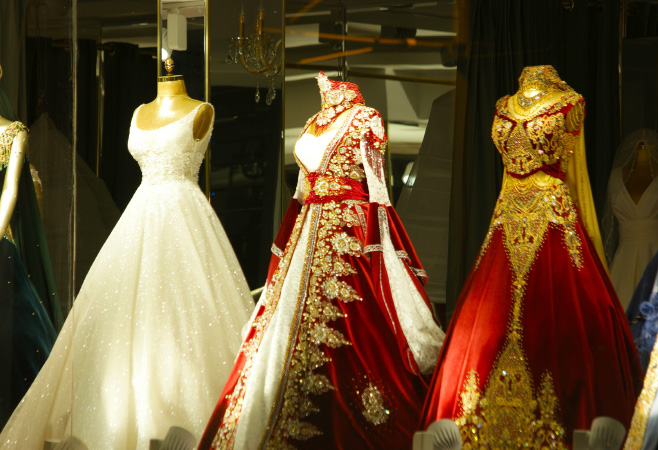 Entari Dress – Traditional Turkish Women’s Clothing
Entari: The Flowing Dress of Grace
The entari is a long, elegant dress that often comes in bright colors and layered designs. It could be plain for daily life or richly decorated for special occasions. Imagine the comfort of a maxi dress, but one that carries centuries of culture in every stitch.
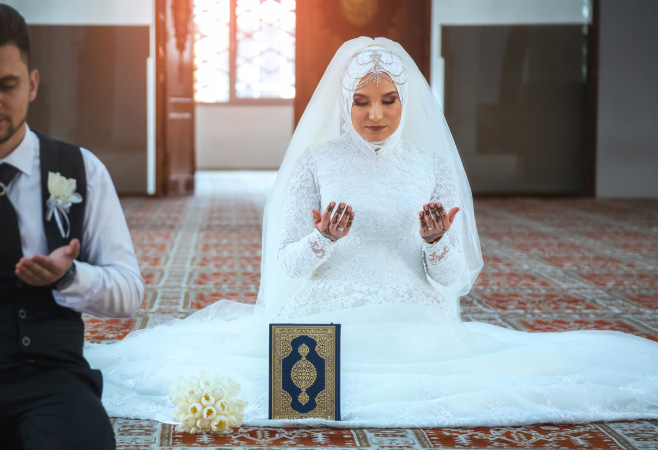 Turkish Bride Wearing Traditional Bindallı Gown
Bindallı: The Bride’s Pride
For henna nights, brides wear the bindallı, usually made of deep red velvet covered in gold embroidery. It’s stunning, dramatic, and a clear way to say, “Tonight, I’m the star.” The bindallı stands out for its deep red velvet fabric with intricate gold embroidery, marking the bride as the central figure of the henna night celebration.
Şalvar and Tunics: Everyday Chic
In villages, women often wore şalvar, wide baggy trousers paired with long tunics. These were perfect for daily chores, walking in fields, or joining traditional dances. Don’t be surprised if you see them still in use today—they’re as comfy as modern yoga pants but with way more cultural charm.
Kaftan: Regal Ottoman Elegance
The kaftan was a distinguished garment in the Ottoman Empire, worn by both men and women. In the palace, women’s kaftans were often made from silk or velvet and richly embroidered, serving as symbols of refinement and social status. Queens and sultanas wore kaftans not just for beauty, but also as symbols of influence and power.
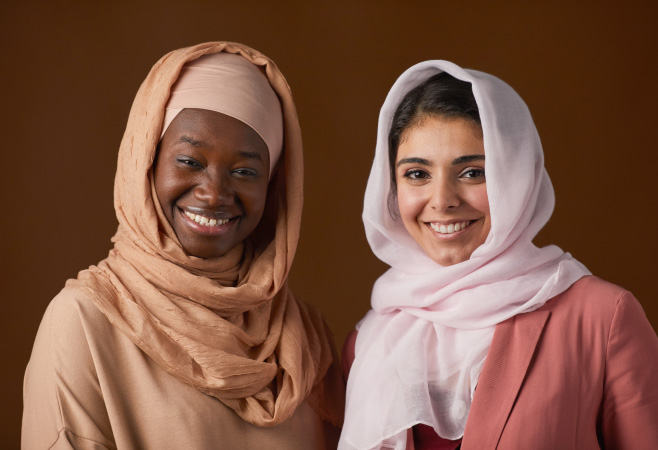 Traditional Turkish Headscarves – Yazma and Başörtüsü
The Beauty of Headscarves and Veils
Head coverings are an essential part of Turkish traditional clothing women, blending modesty with artistry.
- Yazma & Yemeni: Cotton scarves with hand-printed floral designs, perfect for adding flair to everyday wear.
- Başörtüsü: A simple headscarf still worn widely today, bridging tradition and modern fashion.
- Peçe: A face veil occasionally used by Ottoman women of higher status, particularly in ceremonial contexts. Today, it is mainly seen in museums and historical depictions rather than daily life.
What’s fascinating is how scarves weren’t just about covering hair—they carried regional styles, personal touches, and even social signals. Scarves often conveyed regional identity, personal taste, and social signals, making them an important medium of cultural expression in daily life.
Sparkle and Shine: Jewelry in Women’s Fashion
Women’s traditional attire wasn’t complete without accessories.
- Gold bangles, earrings, and necklaces: More than just pretty—they were considered part of a bride’s dowry. Think of it as wearable savings.
- Silver belts: Practical yet fashionable, often used to cinch waists over flowing gowns.
- Hand embroidery and beads: Extra touches that made each outfit unique.
Turkish women clearly knew that accessories weren’t just an afterthought—they were the exclamation point of an outfit.
Regional Flavors of Style
Turkey’s diverse regions produced different styles of women’s dress.
- Central Anatolia: Colorful layered dresses, embroidered aprons, and lively patterns.
- Black Sea Region: Darker fabrics and simpler cuts suited to rugged mountain life.
- Eastern Turkey: Heavy fabrics, tribal motifs, and bold jewelry.
- Istanbul & Ottoman Palaces: Luxurious silk gowns with jewel-studded details, influenced by wealth and empire.
Each region’s fashion carried its own personality, proving that diversity has always been part of Turkey’s charm.
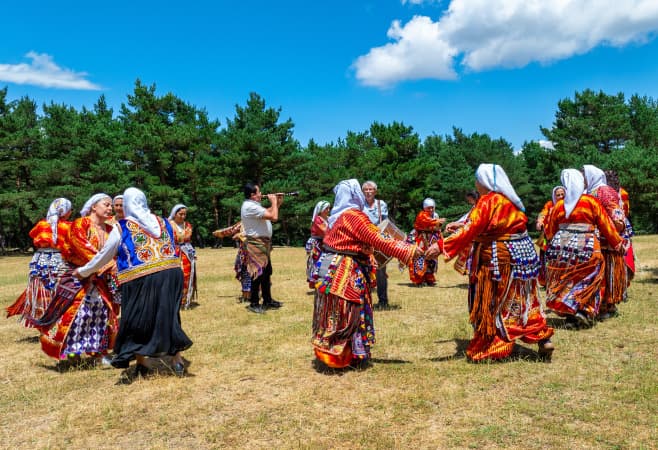 Turkish Women Performing Folk Dance in Traditional Clothing
Weddings, Ceremonies, and the Spotlight
Few things shine brighter than Turkish traditional clothing women at a wedding.
- Henna Night (Kına Gecesi): The bride wears her bindallı, surrounded by music, dancing, and a sea of candles.
- Wedding Day: While many brides now wear white gowns, sashes and jewelry often preserve tradition.
- Festivals: Women don folk costumes for dances and parades, keeping heritage alive with every spin and step.
If you get invited to a wedding in Turkey, prepare to be dazzled—it’s fashion, culture, and celebration rolled into one unforgettable night.
Ottoman Palaces and Fashion Grandeur
The Ottoman era brought women’s clothing to a new level of sophistication. Palatial wardrobes were filled with kaftans, entari, and gowns made of velvet, silk, and brocade. Gold and silver thread embroidery turned clothing into art. These outfits weren’t just worn—they were displayed, admired, and remembered.
One look at the palace exhibits in Istanbul, and you’ll realize the sultanas were basically the “royal influencers” of their time.
Modern Revivals of Traditional Clothing
While most Turkish women today wear modern styles, traditional clothing hasn’t vanished.
- Bindallı gowns: Still used in weddings and henna nights.
- Embroidery: Inspiring modern dresses and jackets.
- Headscarves: Reimagined in prints and fabrics for daily use.
Contemporary designers also bring Ottoman patterns into evening wear, ensuring that heritage remains chic in today’s world.
Where to Discover or Buy Women’s Traditional Clothing
- Istanbul’s Grand Bazaar: Perfect for scarves, jewelry, and kaftan-inspired gowns.
- Local markets in Anatolia: Authentic village styles like şalvar and handmade embroidery.
- Museums: Topkapi Palace and ethnographic museums show historical garments.
- Modern boutiques: Offering stylish revivals of bindallı and kaftan.
Shopping for these pieces can be one of the highlights of your trip. Just remember, your most important “fashion pass” is your Turkey eVisa.
Conclusion: Grace Woven in Tradition
Turkish traditional clothing women isn’t just about fabric—it’s about identity, artistry, and celebration. From the elegance of the entari to the drama of the bindallı, these garments are treasures of heritage that continue to inspire.
So, when you travel to Turkey, don’t stop at sightseeing. Explore the clothing traditions, attend a wedding or festival if you can, and maybe even take home a piece of history in the form of a scarf or dress. And of course, make sure you’ve got your Turkey eVisa ready—because without it, your journey into this world of beauty and tradition won’t get past the departure gate.
FAQs About Turkish Traditional Clothing for Women
Can tourists try on traditional Turkish women’s clothing?
Absolutely! Many cultural centers, festivals, and even some boutiques let visitors try on entaris, bindallıs, or kaftans. It’s like stepping into a time machine—minus the Ottoman palace drama.
Where can I buy authentic bindallı or kaftans in Turkey?
Head to Istanbul’s Grand Bazaar for kaftan-inspired gowns, or local markets in Anatolia for şalvar and handmade embroidery. Museums are for admiring; markets are for shopping—bring cash and curiosity.
Do Turkish women still wear traditional clothing every day?
Mostly no—modern styles rule the streets. But traditional clothing still appears at weddings, henna nights, festivals, and folk dances. Think of it as “heritage couture” rather than everyday wear.
What’s the difference between an entari and a kaftan?
Great question! The entari is more like a flowing dress, often layered and colorful. The kaftan is heavier, more regal, and traditionally a status symbol—basically the “power suit” of the Ottoman world.
Are the headscarves just for tradition, or do they have meaning?
Both! Scarves like yazma or başörtüsü often signal regional identity, personal taste, or social status. They’re like the Instagram bio of traditional fashion—small but full of meaning.
Can I wear traditional Turkish clothing to a wedding if I’m a guest?
Yes, but check with your hosts first. Wearing a bindallı to someone else’s henna night without asking could be like showing up in a wedding dress to someone else’s wedding—beautiful but awkward.
Is it expensive to buy authentic Turkish women’s clothing?
It depends. Hand-embroidered bindallıs and silk kaftans can be pricey (they’re basically wearable art), but simpler items like scarves or şalvar are affordable and make great souvenirs. Your wallet decides how “royal” you go.
Do traditional Turkish outfits come in modern styles?
Yes! Contemporary designers are blending Ottoman patterns with modern cuts—think kaftan-inspired jackets or bindallı-style evening gowns. It’s heritage meets runway chic.
Is it respectful for foreign women to wear traditional Turkish clothing?
Yes—when done with appreciation and context. Wearing traditional Turkish clothing as a guest, during festivals, cultural visits, or photoshoots is generally welcomed. Just avoid treating it as a costume. A little respect goes a long way, and locals often love seeing visitors embrace Turkish culture thoughtfully.
Are there regional differences in traditional women’s clothing across Turkey?
Absolutely! Clothing varies widely by region. Eastern Anatolia favors richly embroidered, layered outfits; the Aegean region features lighter fabrics and simpler designs; Black Sea styles often include practical cuts for daily life. Each outfit tells a story—of climate, history, and local identity.
Related Articles
- Cappadocia Itinerary: The Perfect 1, 2, 3 & 4-Day Travel Plan
- Things to Do in Cappadocia: 20 Best Attractions & Activities
- Cappadocia Travel Guide (2026): Ultimate First-Time Visitor Guide
- Best Neighborhoods to Stay in Istanbul: A Complete Guide for First-Time Visitors
- Free Things to Do in Istanbul: 14 Amazing Experiences Without Spending a Lira
- Turkey Backpacking Itinerary: The Ultimate Budget Travel Route for Adventure Travelers
- Turkey Family Vacation Itinerary: The Perfect 7–10 Day Trip for Parents and Kids
- Turkey Honeymoon Itinerary: The Perfect Romantic 9-Day Escape for Couples
- Izmir, Turkey Itinerary: Best 3–5 Day Travel Guide to Turkey’s Coastal Gem

HOW CAN WE HELP?
NEED HELP 24/7
 United States
+1 949 346 9868
United States
+1 949 346 9868
 United Kingdom
+44 0330 822 7696
United Kingdom
+44 0330 822 7696
 Singapore
+65 6485 3630
Singapore
+65 6485 3630
 Viber
+65 8174 8526
Viber
+65 8174 8526


